
- Specialities
- Gynaecology
- Aesthetics
- Ophthalmology
- Urology
- Vascular
- Ent
- Proctology
- Orthopedics
- Laparoscopy
- General Physician
 080-6542-3724
Liver Disease Treatment Treatment in Choutuppal
Treatment & Care
Effective liver disease treatment in Choutuppal with modern, evidence-based methods for better patient results.

 Call Us: 080-6542-3724
Advanced Liver Disease Treatment in Choutuppal with high success rates.
In Choutuppal, patients benefit from cutting-edge liver disease treatment provided by skilled hepatologists and equipped with state-of-the-art diagnostic tools. Addressing conditions like fatty liver, hepatitis, cirrhosis, and liver failure, the approach is grounded in evidence-based practices, employing minimally invasive methods and precise therapies. Early detection and tailored treatment strategies contribute to high success rates and enhanced liver health. Most individuals find substantial relief and return to their daily routines shortly after treatment.
Beware: Indicators of Liver Disease to Watch For.
Identify early liver disease symptoms and consult a healthcare professional promptly for assessment.

Yellowish skin and eyes condition
Skin and eyes turn a yellow hue

Pain in the stomach area
Continuous pain in the upper right belly

Long-term extreme tiredness
Feeling very tired and weak unexpectedly

Urine is very dark in color
Urine appears dark yellow or cola-colored

Abdomen appears bloated
Bloating due to fluid accumulation

Weight loss without clear reason
Unexpected loss of appetite and weight


Warning Signs of Severe liver disease treatment
Seek Emergency Care Immediately if:
Seek Emergency Care Immediately if:
 Intense, abrupt pain in the abdomen Hematemesis or dark, tarry stools Severe mental confusion or disorientation Jaundice accompanied by elevated fever Quick abdominal swelling
- Intense, abrupt pain in the abdomen
- Hematemesis or dark, tarry stools
- Severe mental confusion or disorientation
- Jaundice accompanied by elevated fever
- Quick abdominal swelling
Meet Our Best liver disease treatment Specialists
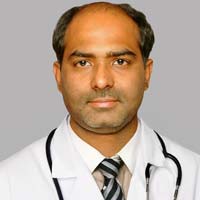
Dr. Gongalareddy Siva Prasad Reddy
MBBS, MD-General Medicine
 Free Consultation
 22 Years Experience
 Maruti Sadan, beside Bharath Petrol bunk, Ramakrishna Nagar, Hafeezpet, Madeenaguda, Hyderabad, Telangana 500049
 MEDICAL INSIGHT
Underlying factors contributing to the development of liver disease.
Infections, genetic factors, heavy alcohol consumption, and fat buildup can lead to liver disease. Obesity and diabetes greatly increase the risk.
Globally, chronic alcohol consumption and viral hepatitis are primary causes of liver damage.
 Excessive alcohol consumption
 Infection by hepatitis virus
 Hepatic steatosis condition
 Inherited liver disease risks
Ready to get the right care?
At-risk individuals for liver disease?
Liver disease risk is heightened by lifestyle, genetic, and medical factors.

Excessive alcohol intake
Prolonged alcohol use is a major cause of liver damage and cirrhosis.

Hepatitis from viral infections
Hepatitis B and C increase the risk of chronic liver disease significantly.

Obesity and diabetes impact
High weight and blood sugar are associated with non-alcoholic fatty liver disease.

Inherited liver disease risk
Genetic conditions such as Wilson's disease can lead to liver disorders.

The Critical Phase
Timely diagnosis and proven treatments lower severe complication risks.
ALWAYS HOSPITALIZE HIGH-RISK PATIENTS
Issues
Severe, life-threatening complications can arise from untreated liver disease.

Liver scarring disease
Persistent inflammation leads to permanent scarring, compromising liver function and elevating failure risk.

High liver blood pressure
Elevated pressure in portal veins can result in varices, internal bleeding, and fluid accumulation.

Liver-induced brain issues
Accumulation of toxins impairs brain function, causing confusion, disorientation, and lowered consciousness.

 Nearest Clinic
Therapy & Healing
Customized, effective liver disease care based on your condition and stage

Therapy for liver health.
Liver disease is managed using antiviral or immunosuppressive drugs.

Surgery for liver issues.
Advanced liver conditions benefit from minimally invasive surgeries.

Plan for post-treatment.
Patients often return to light activities within days after treatment.
 CRITICAL ALERT
Refrain from alcohol and unauthorized drugs to avoid additional liver harm.
 Avoid Alcohol
 Avoid Ibuprofen
 Avoid Self-Meds
Consult a professional before any medication.
Urgent medical intervention needed for liver disease.
Emergency care is crucial for severe liver disease symptoms. Act promptly.
 Emergency Hotline


Guard your liver: Prevention is your top defense.
Adopting straightforward lifestyle changes can markedly reduce liver disease risk.

Cut down on alcohol.
Lowering alcohol consumption aids in preventing liver inflammation and lasting harm.

Adopt a healthy diet.
A diet rich in nutrients and low in saturated fats promotes optimal liver health.

Receive vaccinations.
Immunizations against hepatitis A and B provide robust defense against viral liver conditions.

Engage in regular exercise.
Consistent physical activity helps sustain a healthy weight and lowers the risk of fatty liver.


Your health is our
sole priority.
Need Expert Medical Consultation?
Our network of liver disease treatment specialists are available for immediate clinical evaluation and personalized recovery planning.

Frequently Asked Questions
Treatment for liver disease may involve medications, lifestyle adjustments, and advanced methods such as laparoscopic surgery or transplantation, depending on the condition's type and severity.
With early detection and effective treatment, many liver conditions can be managed. Significant recovery is possible in some cases, while others may need a transplant in advanced stages.
 Call Us
 Book Appointment


