
- Specialities
- Gynaecology
- Aesthetics
- Ophthalmology
- Urology
- Vascular
- Ent
- Proctology
- Orthopedics
- Laparoscopy
- General Physician
 080-6542-3724
Snoring Treatment Treatment in Choutuppal
Treatment & Care
Advanced, minimally invasive snoring treatment in Choutuppal for better sleep and breathing.

 Call Us: 080-6542-3724
Effective snoring solutions available in Choutuppal for better sleep.
In Choutuppal, snoring can impact sleep quality and overall health for both individuals and their partners. Advanced treatments are available to tackle the underlying causes such as nasal obstruction, throat tissue relaxation, and airway blockages. Utilizing modern, minimally invasive methods, skilled specialists provide effective, personalized solutions. Most patients experience notable improvement and return to their regular activities within a few days post-treatment.
Cautionary Indicators
Identify these symptoms suggesting imminent need for snoring treatment

Persistent loud snoring nightly
Nightly snoring disrupts sleep

Pauses in breathing
Breath stops and gasps during sleep

Headaches in the morning
Waking up often with headaches

Extreme daytime tiredness
Tiredness despite a full night's sleep

Uneasy and disturbed sleep
Constant movement and restlessness at night

Reduced ability to concentrate
Struggling to focus on tasks daily


Warning Signs of Severe snoring treatment
Seek Emergency Care Immediately if:
Seek Emergency Care Immediately if:
 Cessation of breath occurs while sleeping Intense nocturnal choking incidents Loud snoring accompanied by chest pain Gasping with bluish tint on lips or fingers Severe daytime tiredness leading to fainting
- Cessation of breath occurs while sleeping
- Intense nocturnal choking incidents
- Loud snoring accompanied by chest pain
- Gasping with bluish tint on lips or fingers
- Severe daytime tiredness leading to fainting
Meet Our Best snoring treatment Specialists
.jpg/1674658718382_ban-Icon.png)
Dr. Santosh Kumar Gunapu
MBBS, MS-ENT
 Free Consultation
 16 Years Experience
 Kukatpally Housing Board Colony, Kukatpally, Hyderabad
Dr. Vidya H
MBBS, MS-ENT
Free Consultation 15 Years Experience B Block, No 243, Kondapur Main Road, Sri Ramnagar - Block C, Rngareddy, Telangana 500086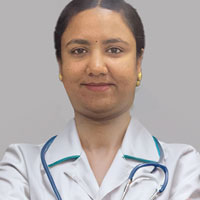
Dr. Aslesha Annreddy
MBBS, DNB-ENT
Free Consultation 14 Years Experience Ramgopalpet, Hyderabad, Telangana 500003 MEDICAL INSIGHT
Exploring the underlying reasons behind snoring.
Snoring happens due to partial blockage of airflow through the mouth or nose during sleep, leading to tissue vibration.
Chronic snoring is often associated with obesity and nasal congestion.
 Nose blockage issue
 Excess body weight
 Resting body posture
 Consuming alcohol
Ready to get the right care?
Identifying individuals at risk of snoring and sleep problems.
Various factors may elevate your chances of frequent snoring and associated sleep disturbances.

People with higher body weight
Neck fat excess can narrow airways, increasing snoring frequency and severity during sleep.

Adults in the middle-age range
Aging naturally weakens throat muscles, raising the risk of airway collapse during sleep.

Persistent nasal congestion issues
Allergies or sinusitis causing blocked nasal passages often lead to mouth breathing and snoring.

Individuals using alcohol/sedatives
These substances excessively relax throat muscles, significantly worsening snoring at night.

The Critical Phase
Patients with sleep-related breathing pauses should get a medical check-up.
ALWAYS HOSPITALIZE HIGH-RISK PATIENTS
Possible issues
Knowing potential risks aids patients in choosing snoring treatments wisely.

Sleep Disturbance
Unaddressed snoring can result in interrupted sleep, leading to daytime tiredness and decreased focus.

Heart Health Concerns
Persistent snoring associated with sleep apnea may increase the likelihood of elevated blood pressure and cardiac stress.

Recovery Symptoms
Slight throat discomfort or inflammation might follow the procedure, usually subsiding within several days.

 Nearest Clinic
Therapy & Healing
Advanced snoring treatments offer quick recovery for most individuals

CPAP Therapy
Effective snoring reduction with continuous airway pressure devices.

Laser Treatment
Safe throat tissue tightening via minimally invasive laser methods.

Surgical Options
High success rates for snoring with advanced surgical techniques.


Advanced In-Patient Care
Our experts employ advanced, minimally invasive methods, allowing most patients to return to daily activities shortly.
 CRITICAL ALERT
Seek immediate medical advice if snoring is associated with sleep apnea.
 Avoid Alcohol
 Avoid Sedatives
 Avoid Back Sleep
Consult a professional before any medication.
Urgent intervention needed for snoring issues.
If snoring causes breath pauses or oxygen level drops, get emergency help.
 Emergency Hotline


Avoid snoring by prioritizing prevention as your top defense.
Adopting straightforward lifestyle modifications can markedly lower your snoring risk.

Keep a healthy weight.
Neck fat can narrow airways, making snoring worse.

Sleep sideways for relief.
Sleeping on your side keeps your airway clear.

Refrain from drinking alcohol.
Cut down on alcohol to prevent throat relaxation.

Address nasal congestion.
Control allergies and nasal issues for better breathing.
What Our Patients Say
Based on 1 Recommendations | Rated 5.0 Out of 5



Your health is our
sole priority.
Need Expert Medical Consultation?
Our network of snoring treatment specialists are available for immediate clinical evaluation and personalized recovery planning.

Frequently Asked Questions
During sleep, snoring happens when relaxed throat tissues vibrate due to airflow. Common triggers are nasal congestion, obesity, alcohol consumption, and anatomical issues like a deviated septum.
Seek medical advice if snoring is loud, frequent, or associated with gasping, choking, or daytime fatigue, as these symptoms may suggest obstructive sleep apnea needing evaluation.
 Call Us
 Book Appointment


