
- Specialities
- Gynaecology
- Aesthetics
- Ophthalmology
- Urology
- Vascular
- Ent
- Proctology
- Orthopedics
- Laparoscopy
- General Physician
 080-6542-3724
Child Fever Treatment Treatment in Ghatkesar
Treatment & Care
Accurate diagnosis and safe, effective child fever treatment in Ghatkesar for quick, comfortable recovery.

 Call Us: 080-6542-3724
Effective Child Fever Treatment in Ghatkesar: Expert Care Available
Fever in children is a frequent worry for parents, necessitating prompt and precise medical care. In Ghatkesar, skilled pediatricians deliver effective diagnosis and treatment for fevers stemming from infections, viral diseases, or other conditions. Utilizing advanced diagnostic equipment and evidence-based methods, doctors offer safe, personalized care, ensuring most children recover comfortably in a short time.
Caution: Be aware of warning signs in your child.
If your child exhibits severe fever symptoms, consult a healthcare professional promptly.

Elevated body temperature
Body temperature exceeding 104°F (40°C)

Seizures associated with fever
Convulsions or shaking during fever

Neck stiffness observed
Severe headache with neck rigidity

Trouble breathing noted
Noted rapid or labored breathing

Severe fatigue or lethargy
Difficulty waking or unresponsive state

Rash on the skin
Appearance of unusual spots or rash


Warning Signs of Severe child fever treatment
Seek Emergency Care Immediately if:
Seek Emergency Care Immediately if:
 Any child with fever exceeding 104°F (40°C) Infants under 3 months with any fever level Fever accompanied by seizures or convulsions Child is unresponsive or difficult to wake Fever with severe breathing difficulties
- Any child with fever exceeding 104°F (40°C)
- Infants under 3 months with any fever level
- Fever accompanied by seizures or convulsions
- Child is unresponsive or difficult to wake
- Fever with severe breathing difficulties
Meet Our Best child fever treatment Specialists
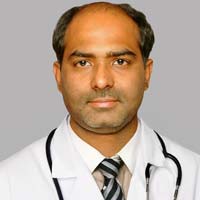
Dr. Gongalareddy Siva Prasad Reddy
MBBS, MD-General Medicine
 Free Consultation
 22 Years Experience
 Maruti Sadan, beside Bharath Petrol bunk, Ramakrishna Nagar, Hafeezpet, Madeenaguda, Hyderabad, Telangana 500049
 MEDICAL INSIGHT
Exploring the origins and causes of fever in children.
Fever in children often arises from viral or bacterial infections, immune reactions, or inflammation. Contributing factors may include compromised immunity and contact with infected persons.
Viral infections commonly cause childhood fevers, which usually improve with supportive care.
 Infection from a virus.
 Infection from bacteria.
 Lowered immune response.
 Exposure to surroundings.
Ready to get the right care?
At-Risk Children?
Some children face higher fever risks and may require immediate medical care.

Infants younger than 3 months of age
Newborns and young infants have immature immune systems, making fevers potentially serious.

Children with chronic health conditions
Kids with heart, lung, or immune disorders face higher risks when fever develops.

Children who are malnourished
Poor nutrition weakens immunity, increasing susceptibility to infections that cause fever.

Children not fully vaccinated
Children missing key vaccines are more exposed to infections that trigger high fevers.

The Critical Phase
Seek immediate medical attention if fever surpasses 104°F, lasts over 3 days, or is accompanied by stiff neck or rash.
ALWAYS HOSPITALIZE HIGH-RISK PATIENTS
Complications
Untreated or poorly managed child fever may result in serious health issues needing urgent medical care.

Seizures from fever
Seizures in kids aged 6 months to 5 years can be triggered by quick temperature rises, lasting minutes.

Dehydration from fever
High fevers increase fluid loss, risking severe dehydration if oral intake isn't maintained.

Spread of infection
Untreated infections may spread to vital organs, worsening a child's health condition.

 Nearest Clinic
Recovery & Treatment
Effective, evidence-based methods for safe fever management in children

Fever-lowering meds
Safe fever reduction in children with paracetamol or ibuprofen.

Fluid intake is crucial
Frequent fluid intake prevents dehydration in feverish children.

Rest and watch closely
Provide ample rest and check temperature at regular intervals.


Advanced In-Patient Care
Inpatient care offers IV fluids, constant monitoring, and specific treatments for infections.
 CRITICAL ALERT
Consult a healthcare provider if fever surpasses 104°F or lasts over 3 days.
 Avoid Aspirin.
 Avoid cold baths.
 Avoid self-dosing.
Consult a professional before any medication.
Urgent action needed for child's fever treatment.
If your child exhibits any critical signs, seek emergency care promptly.
 Emergency Hotline


Prevention: Your top defense against child fevers.
Adopting simple habits can lower your child's fever risk.

Wash hands often.
Regular hand washing in children helps stop germ spread.

Keep vaccinations current.
Maintain your child's immunizations to avoid common infections.

Avoid contact with sick.
Reduce exposure to those with active infections or illness.

Enhance immune system.
Provide balanced diet, enough sleep, and regular exercise.


Your health is our
sole priority.
Need Expert Medical Consultation?
Our network of child fever treatment specialists are available for immediate clinical evaluation and personalized recovery planning.

Frequently Asked Questions
Viral or bacterial infections often cause fever in children. The body increases its temperature as a natural defense mechanism to combat pathogens effectively.
Seek medical advice if your child's fever surpasses 102°F, persists beyond two days, or is coupled with rash, breathing issues, or unusual lethargy.
 Call Us
 Book Appointment


