
- Specialities
- Gynaecology
- Aesthetics
- Ophthalmology
- Urology
- Vascular
- Ent
- Proctology
- Orthopedics
- Laparoscopy
- General Physician
 080-6542-3724
Head Injury Treatment Treatment in Ghatkesar
Treatment & Care
Advanced head injury care in Ghatkesar with modern diagnostics ensures safer, quicker recovery for most patients.

 Call Us: 080-6542-3724
Advanced head injury care in Ghatkesar with expert medical support.
Head injuries, from mild concussions to severe traumatic brain injuries, necessitate immediate medical care. In Ghatkesar, expert neurosurgeons provide cutting-edge diagnostic and treatment solutions, such as CT scans, minimally invasive surgeries, and intensive neurological support. Timely treatment significantly enhances recovery prospects. Equipped with state-of-the-art facilities and a proficient medical staff, Ghatkesar ensures patients receive thorough, evidence-based care, customized to the injury's severity for a quicker and safer healing process.
Alert: Recognize warning signs of head injury.
Prompt medical care is crucial if symptoms appear post-head injury.

Unconsciousness following head trauma.
Post-impact fainting or lack of response.

Intense pain in the head area.
Increasing pain after head injury.

Frequent vomiting after head injury.
Nausea followed by repeated vomiting.

Altered vision after head injury.
Blurred, double vision, or vision loss.

Confusion regarding recent events.
Disorientation or memory recall issues.

Seizures following a head injury.
Uncontrolled shaking or sudden convulsions.


Warning Signs of Severe head injury treatment
Seek Emergency Care Immediately if:
Seek Emergency Care Immediately if:
 Immediate unconsciousness after head injury. Post-head injury seizures may occur. Fluid leakage from ears or nose post-trauma. Intense vomiting following a head injury. Uneven pupil size after head trauma.
- Immediate unconsciousness after head injury.
- Post-head injury seizures may occur.
- Fluid leakage from ears or nose post-trauma.
- Intense vomiting following a head injury.
- Uneven pupil size after head trauma.
Meet Our Best head injury treatment Specialists
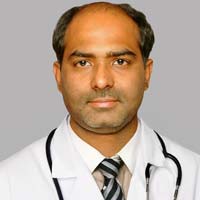
Dr. Gongalareddy Siva Prasad Reddy
MBBS, MD-General Medicine
 Free Consultation
 22 Years Experience
 Maruti Sadan, beside Bharath Petrol bunk, Ramakrishna Nagar, Hafeezpet, Madeenaguda, Hyderabad, Telangana 500049
 MEDICAL INSIGHT
Factors leading to head injury and their various causes.
Traumatic incidents affecting the skull or brain cause head injuries. Frequent causes encompass falls, vehicular collisions, sports-related incidents, and physical altercations.
In both children and the elderly, falls are the predominant cause of head injuries.
 Slips & Falls
 Accidents on Road
 Injuries from Sports
 Assault Physically
Ready to get the right care?
At-risk individuals for head injuries: who are they?
Some groups have a greater chance of head injuries because of lifestyle, age, or health conditions.

Head injuries common in young children.
Young children are highly vulnerable to head injuries from falls and accidental impacts.

Head injuries common in elderly.
Older adults face increased head injury risk due to reduced balance and bone density.

Head injuries common in athletes.
Players in high-impact sports are frequently exposed to head-affecting blows and collisions.

Head injuries common in road accidents.
Motorcyclists and pedestrians without protective gear are at elevated risk of head trauma.

The Critical Phase
Critical monitoring in the first 24–72 hours post-head injury aids in early detection and management of potential life-threatening changes.
ALWAYS HOSPITALIZE HIGH-RISK PATIENTS
Issues arising from head injuries
Prompt medical diagnosis and management are crucial to prevent serious complications from head injuries.

Cerebral Edema
Elevated intracranial pressure can lead to serious brain damage, necessitating prompt medical care.

Cognitive Impairment
Brain trauma can cause temporary or permanent memory issues, impacting everyday life.

Epilepsy Potential
Seizures following a head injury may occur later, demanding continuous neurological monitoring.

 Nearest Clinic
Healing & Return to Normalcy After Head Injury
Customized, evidence-based care for varying degrees of head injuries

Care for mild injuries
Typically, rest, pain relief, and close monitoring are advised.

Innovative treatment methods
Minimally invasive surgery may address bleeding or pressure.

Expected recovery period
Most patients return to routine activities within days to weeks.


Advanced In-Patient Care
Experts employ cutting-edge neuroimaging and contemporary monitoring for secure, efficient head injury care.
 CRITICAL ALERT
Get urgent medical help if head injury symptoms intensify.
 Avoid Ibuprofen
 Avoid Alcohol
 Avoid Screens
Consult a professional before any medication.
Urgent Response Needed for Head Injury Situations
Prompt emergency medical attention is crucial for severe head injury symptoms.
 Emergency Hotline


Guard your head: Prevention is your top defense.
Daily simple precautions can greatly lower head injury risks.

Helmets are essential.
Helmets should be worn during cycling, motorcycling, or contact sports.

Seat belts save lives.
Always use seat belts to minimize head trauma in road accidents.

Avoid falls at home.
Grab bars, no loose rugs, and good lighting prevent home falls.

Ensure play safety.
Children should play on cushioned, age-appropriate surfaces.


Your health is our
sole priority.
Need Expert Medical Consultation?
Our network of head injury treatment specialists are available for immediate clinical evaluation and personalized recovery planning.

Frequently Asked Questions
Advanced medical and surgical techniques are employed in head injury treatment to stabilize the patient, reduce brain swelling, control bleeding, and monitor neurological function.
When clinically appropriate, minimally invasive approaches are utilized to remove blood clots, repair skull fractures, or relieve brain pressure through surgery.
 Call Us
 Book Appointment


