
- Specialities
- Gynaecology
- Aesthetics
- Ophthalmology
- Urology
- Vascular
- Ent
- Proctology
- Orthopedics
- Laparoscopy
- General Physician
 080-6542-3724
Infection Treatment Treatment in Ghatkesar
Treatment & Care
Advanced infection treatment in Ghatkesar with precise diagnostics and proven care for quick recovery and enduring relief.

 Call Us: 080-6542-3724
Advanced infection treatment options available in Ghatkesar.
In Ghatkesar, skilled specialists provide advanced infection treatment using contemporary diagnostic and therapeutic methods. Patients with bacterial, viral, or fungal infections receive precise diagnosis and specific care. Ghatkesar clinics feature modern facilities to handle mild to severe infections efficiently. Timely treatment helps avoid complications and promotes quicker recovery for most patients. Seek a qualified specialist in Ghatkesar for safe, evidence-based infection treatment customized to your requirements.
Beware: Warning signs of infection to watch for.
Immediate medical attention is crucial if you experience any of these infection symptoms.

Elevated body temperature
Body temperature exceeding 103°F

Pronounced swelling
Quickly increasing swelling

Purulent discharge noted
Thick discharge with unpleasant odor

Severe pain sensation
Acute sharp or pulsating pain

Reddened skin area
Redness spreading on the skin

Exhaustion beyond normal
Uncommon tiredness or sleepiness


Warning Signs of Severe infection treatment
Seek Emergency Care Immediately if:
Seek Emergency Care Immediately if:
 Elevated fever over 103°F accompanied by chills Quickly expanding redness on the skin surface Infection causing labored or difficult breathing Infection leading to confusion or mental changes Intense swelling and pus release from infection
- Elevated fever over 103°F accompanied by chills
- Quickly expanding redness on the skin surface
- Infection causing labored or difficult breathing
- Infection leading to confusion or mental changes
- Intense swelling and pus release from infection
Meet Our Best infection treatment Specialists
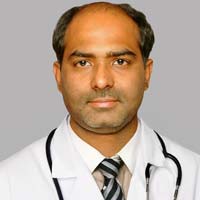
Dr. Gongalareddy Siva Prasad Reddy
MBBS, MD-General Medicine
 Free Consultation
 22 Years Experience
 Maruti Sadan, beside Bharath Petrol bunk, Ramakrishna Nagar, Hafeezpet, Madeenaguda, Hyderabad, Telangana 500049
 MEDICAL INSIGHT
Addressing infection causes for effective treatment strategies.
Pathogens like bacteria, viruses, fungi, or parasites cause infections when they enter the body. Risk factors include weakened immunity, inadequate hygiene, and proximity to infected persons.
A weakened immune system notably heightens the risk of severe infections.
 Bacterial infection threat
 Exposure to viral agents
 Compromised immune system
 Inadequate cleanliness habits
Ready to get the right care?
At-risk individuals: who needs to be cautious?
Some people are more susceptible to infections and should seek timely medical care.

Seniors face higher infection susceptibility.
Aging diminishes immune response, increasing bacterial and viral infection risk in older adults.

Patients with weakened immune systems.
HIV, cancer, or immunosuppressants increase severe or recurring infection risk.

People with ongoing health issues.
Chronic conditions like diabetes weaken the body's natural infection defenses.

Kids under immune system development.
Immature immune systems in infants and young children heighten infection vulnerability.

The Critical Phase
Prompt diagnosis and appropriate treatment are crucial to lower complication risks and promote a safer, quicker recovery.
ALWAYS HOSPITALIZE HIGH-RISK PATIENTS
Issues arising from infections
Neglected or inadequately handled infections may result in severe complications impacting various organ systems.

Sepsis threat
Bloodstream infection can cause life-threatening sepsis, needing urgent care.

Damage to organs
Severe infections can harm kidney, liver, or lung function without timely treatment.

Long-term infection
Incomplete treatment may lead to recurring or persistent infections, raising antibiotic resistance concerns.

 Nearest Clinic
Therapy & Healing
Advanced infection management using contemporary, evidence-based methods.

Antibiotic treatment
Prescribed antibiotics based on culture results.

Wound care management
Minimally invasive drainage for deep infections.

Support for recovery
Routine activities resumed by most within a few days.


Advanced In-Patient Care
Effective IV treatment and supervised hospital care for serious or stubborn infections.
 CRITICAL ALERT
Prompt medical attention is crucial for fever, swelling, or escalating symptoms.
 Avoid self-meds
 Avoid Ibuprofen
 Don't delay care
Consult a professional before any medication.
Urgent intervention needed for infection treatment.
If infection symptoms intensify quickly, seek emergency medical care promptly.
 Emergency Hotline


Prevention: Your top defense against infections.
Adopting basic daily routines can greatly lower your infection risk.

Practice hand cleanliness.
Regularly wash hands with soap and water for 20 seconds.

Keep vaccinations current.
Ensure immunisations are updated to avoid common infections.

Minimize close interactions.
Reduce contact with those displaying active infection symptoms.

Enhance body defenses.
Adopt a balanced diet, exercise, and ensure proper sleep.


Your health is our
sole priority.
Need Expert Medical Consultation?
Our network of infection treatment specialists are available for immediate clinical evaluation and personalized recovery planning.

Frequently Asked Questions
To treat infections, antibiotics, antivirals, or antifungals are used to eradicate harmful pathogens. Early detection and proper treatment usually lead to quicker recovery.
Antibiotics are commonly prescribed to treat bacterial infections. It is crucial to complete the entire course to prevent resistance and ensure the infection is effectively cleared.
 Call Us
 Book Appointment


