
Select Your City
Popular Cities
Other Cities
No city found
Nausea Treatment in Hyderabad
Treatment & Care
Discover expert nausea treatment in Hyderabad, featuring advanced diagnostics and tailored relief strategies for enduring comfort.

 Call Us: 080-6541-7867
Effective nausea treatment options available in Hyderabad.
Experiencing nausea can indicate an underlying health issue needing medical evaluation. In Hyderabad, skilled doctors provide thorough assessments and effective treatments for nausea stemming from digestive problems, infections, medications, or other conditions. Utilizing evidence-based methods and advanced diagnostic equipment, specialists in Hyderabad pinpoint the cause and deliver focused care to help patients achieve relief and improve their quality of life.
Identifying Nausea Symptoms: What to Watch For
Consult a healthcare professional if nausea is accompanied by these alarming symptoms

Critical fluid loss due to severe dehydration.
Symptoms include dry mouth, dizziness, dark urine.

Ongoing vomiting that does not stop.
Vomiting continues for over 24 hours straight.

Vomit contains visible blood.
Vomit appears red or coffee-ground colored.

Pain or discomfort in the chest area.
Feeling of tightness or pressure in the chest.

Elevated body temperature, high fever.
Nausea accompanied by fever over 103°F.

Intense and severe headache experienced.
Sudden onset of extreme head pain.


Warning Signs of Severe nausea
Seek Emergency Care Immediately if:
Seek Emergency Care Immediately if:
 Severe chest pain or pressure with nausea Nausea following suspected poisoning or overdose Sudden severe headache onset with nausea Nausea accompanied by signs of stroke or confusion Immediate nausea and vomiting of blood
- Severe chest pain or pressure with nausea
- Nausea following suspected poisoning or overdose
- Sudden severe headache onset with nausea
- Nausea accompanied by signs of stroke or confusion
- Immediate nausea and vomiting of blood
Meet Our Best nausea Specialists
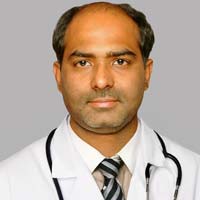
Dr. Gongalareddy Siva Prasad Reddy
MBBS, MD-General Medicine
 Free Consultation
 22 Years Experience
 Maruti Sadan, beside Bharath Petrol bunk, Ramakrishna Nagar, Hafeezpet, Madeenaguda, Hyderabad, Telangana 500049
 MEDICAL INSIGHT
Underlying reasons for experiencing nausea.
Infections, motion sickness, medications, and digestive problems can cause nausea. Hormonal changes, anxiety, and inner ear issues are frequent triggers too.
Often, nausea indicates an underlying condition rather than being a disease itself.
 Virus-induced nausea
 Nausea from travel
 Drug-induced nausea
 Nausea from hormones
Ready to get the right care?
At-Risk Individuals?
Nausea can strike anyone, yet specific groups face higher vulnerability due to health, lifestyle, or medical conditions.

Nausea in pregnant women is common.
Early pregnancy hormonal changes often cause nausea, especially in the first trimester.

Nausea is common in cancer patients.
Nausea is a common side effect of chemotherapy and radiation therapy.

Nausea in motion-sensitive individuals.
Motion sickness often causes nausea during travel by car, sea, or air.

Medication users may experience nausea.
Nausea can be a side effect of certain antibiotics, painkillers, and supplements.

The Critical Phase
Get medical help fast if nausea occurs with chest pain, severe dehydration, bloody vomit, or altered consciousness.
ALWAYS HOSPITALIZE HIGH-RISK PATIENTS
Adverse effects
Unmanaged nausea can result in health issues needing quick medical care.

Fluid loss from vomiting.
Vomiting due to persistent nausea can lead to dehydration and electrolyte imbalance from fluid loss.

Nutritional deficiencies.
Ongoing nausea may decrease food intake, causing nutritional deficiencies and weight loss.

Risk of esophageal injury.
Frequent vomiting can harm the esophageal lining, raising the risk of inflammation or tears.

 Nearest Clinic
Therapy & Healing
Advanced methods for controlling nausea and ensuring a seamless recovery

Nausea treatments
Effective reduction of nausea and vomiting with antiemetic drugs.

Adjusting eating habits
Quicker relief with small, bland meals and clear fluids.

Rest and drink fluids
Quicker recovery with proper rest and fluid consumption.


Advanced In-Patient Care
Specialist evaluation, IV fluids, and monitored antiemetic therapy are part of advanced inpatient nausea care.
 CRITICAL ALERT
Get prompt medical attention for severe, ongoing nausea or when associated with chest pain.
 Avoid Ibuprofen
 Avoid Spicy Food
 Avoid Alcohol
Consult a professional before any medication.
Urgent intervention needed for sudden, severe nausea.
If nausea is abrupt, intense, or with concerning signs, get emergency help.
 Emergency Hotline


Avoid nausea by adopting preventive measures for optimal health.
Adopting simple lifestyle changes can decrease nausea occurrences.

Consume small meals
Eat small, frequent meals to prevent an overly full or empty stomach.

Maintain hydration levels
Regularly sip clear fluids to avoid nausea from dehydration.

Eliminate nausea triggers
Avoid spicy, fatty foods and strong smells that may cause nausea.

Post-meal relaxation
Stay upright for 30 minutes post-meals to aid digestion.


Your health is our
sole priority.
Need Expert Medical Consultation?
Our network of nausea specialists are available for immediate clinical evaluation and personalized recovery planning.

Frequently Asked Questions
The causes of nausea can include motion sickness, infections, certain medications, acid reflux, pregnancy, and digestive disorders. Determining the underlying cause is crucial for effective treatment.
Effective treatments for nausea involve antiemetic drugs, dietary modifications, maintaining hydration, and addressing the primary cause. Ginger and acupressure can offer relief in mild cases.
 Call Us
 Book Appointment


