
Select Your City
Popular Cities
Other Cities
No city found
Non-healing Oral Ulcers Treatment in Hyderabad
Treatment & Care
Advanced, evidence-based treatments in Hyderabad offer expert care for non-healing oral ulcers, ensuring lasting relief and better oral health.

 Call Us: 080-6541-7867
Effective Solutions for Persistent Mouth Ulcers in Hyderabad
Oral ulcers that fail to heal after two weeks could signal underlying issues needing immediate medical care. In Hyderabad, skilled specialists provide thorough diagnostic assessments and personalized treatment strategies. Employing contemporary, evidence-based methods, these treatments focus on decreasing inflammation, controlling symptoms, and tackling the primary causes. Seeking early consultation is highly advised for sustained relief and better oral health.
Caution: Indicators of Oral Ulcers That Don't Heal
Identify early symptoms for prompt medical assessment and treatment

Ulcer that does not heal
Oral sore persisting over three weeks

Spontaneous bleeding noted
Ulcer bleeds without apparent cause

Ulcer with elevated firm edges
Ulcer borders are hard and firm

Trouble swallowing food or liquid
Discomfort or pain during meals

Lumps detected in the neck
Enlarged lymph nodes in neck area

Mouth experiencing numbness
Sensation loss or tingling felt


Warning Signs of Severe Non-Healing Oral Ulcers
Seek Emergency Care Immediately if:
Seek Emergency Care Immediately if:
 Persistent bleeding from an oral ulcer Trouble breathing or swallowing noted Quickly expanding ulcer or facial swelling Intense mouth pain accompanied by fever Jaw immobility alongside mouth sores
- Persistent bleeding from an oral ulcer
- Trouble breathing or swallowing noted
- Quickly expanding ulcer or facial swelling
- Intense mouth pain accompanied by fever
- Jaw immobility alongside mouth sores
Meet Our Best Non-Healing Oral Ulcers Specialists
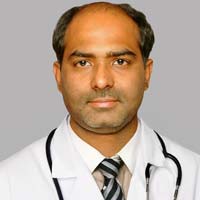
Dr. Gongalareddy Siva Prasad Reddy
MBBS, MD-General Medicine
 Free Consultation
 22 Years Experience
 Maruti Sadan, beside Bharath Petrol bunk, Ramakrishna Nagar, Hafeezpet, Madeenaguda, Hyderabad, Telangana 500049
 MEDICAL INSIGHT
Reasons behind persistent oral ulcers that don't heal.
Infections, autoimmune issues, nutrient deficiencies, or systemic diseases can cause non-healing oral ulcers.
Oral ulcers persisting beyond 3 weeks might signal serious conditions such as oral cancer or Crohn's disease.
 Immune system issue
 Infection by virus
 Dietary deficiencies
 Tobacco consumption
Ready to get the right care?
At-Risk Individuals?
Some people face higher chances of non-healing oral ulcers because of health issues.

Patients with weakened immune systems
Higher risk of persistent oral ulcers for those with HIV, diabetes, or on immunosuppressants.

Individuals using tobacco and alcohol
Increased risk of non-healing oral lesions with chronic tobacco or alcohol use.

Deficiencies in essential nutrients
Impaired tissue healing and recurring oral ulcers due to low iron, B12, or folate levels.

Individuals aged over 40 years
Elevated risk of malignant oral ulcer development in older adults, especially males over 40.

The Critical Phase
Immediate evaluation is needed for ulcers persisting over three weeks to exclude oral cancer or systemic conditions.
ALWAYS HOSPITALIZE HIGH-RISK PATIENTS
Potential issues
Serious health risks may arise from untreated non-healing oral ulcers, necessitating quick medical care.

Cancerous Shift
Early diagnosis and biopsy are crucial as chronic ulcers may undergo cancerous transformation.

Infection Severity
Persistent ulcers can develop secondary bacterial infections, resulting in pain, swelling, and tissue damage.

Nutritional Shortages
Painful ulcers often impair eating and swallowing, leading to inadequate nutrition and weight loss.

 Nearest Clinic
Therapy & Healing
Safe, effective strategies for managing and healing persistent oral ulcers

Local application therapy
Corticosteroid gels or antiseptic rinses alleviate pain and inflammation.

Whole-body medications
Oral drugs address root causes such as infections or autoimmune issues.

Laser-based therapy
Laser-assisted therapy enhances rapid tissue recovery with less discomfort.


Advanced In-Patient Care
Effective long-term management of persistent oral ulcers is achieved through advanced biopsy, immunotherapy, and minimally invasive techniques.
 CRITICAL ALERT
Oral ulcers persisting beyond 3 weeks need prompt medical assessment to exclude oral cancer.
 Avoid self-meds
 Avoid hot foods
 Avoid tobacco
Consult a professional before any medication.
Urgent intervention needed for non-healing oral ulcers.
Rapidly worsening oral ulcers with severe symptoms need emergency care.
 Emergency Hotline


Prevention: Your top defense against oral ulcers.
Adopting easy daily routines can greatly reduce oral ulcer risk.

Maintain Oral Hygiene
Daily brushing and flossing help prevent harmful bacteria from affecting gum tissue.

Adopt Balanced Diet
Consume foods high in vitamins B12, C, and iron to promote healthy oral tissue repair.

Avoid Using Tobacco
Cease smoking and chewing tobacco to lower chronic irritation and ulcer risk.

Schedule Regular Checkups
Routine dental visits aid in early detection of suspicious or recurring oral lesions.


Your health is our
sole priority.
Need Expert Medical Consultation?
Our network of Non-Healing Oral Ulcers specialists are available for immediate clinical evaluation and personalized recovery planning.

Frequently Asked Questions
Infections, nutritional deficiencies, autoimmune conditions, or systemic diseases can cause non-healing oral ulcers. Early diagnosis aids in effective treatment.
Seek medical advice if an ulcer lasts over two weeks, increases in size, causes severe pain, or frequently recurs, as these symptoms may require professional evaluation.
 Call Us
 Book Appointment


