
Select Your City
Popular Cities
Other Cities
No city found
Sleep Disorder Treatment Treatment in Hyderabad
Treatment & Care
Advanced, evidence-based sleep disorder treatment in Hyderabad for improved well-being and healthy sleep.

 Call Us: 080-6541-7867
Advanced Sleep Disorder Solutions Available in Hyderabad
Experiencing difficulty sleeping or irregular sleep patterns? In Hyderabad, expert treatment for sleep disorders provides evidence-based solutions for issues such as insomnia, sleep apnea, and restless leg syndrome. Utilizing cutting-edge diagnostic equipment and contemporary therapeutic strategies, specialists develop customized treatment plans aimed at reestablishing normal sleep patterns. With safe and effective treatment options tailored to individual needs, most patients in Hyderabad report notable enhancements in their sleep quality.
Cautionary Indicators
Identify these early symptoms and promptly seek sleep disorder assessment

Noisy snoring during sleep periods.
Regular, bothersome snoring at night.

Excessive sleepiness during daytime.
Uncontrollable sleepiness during day.

Trouble initiating sleep at night.
Inability to fall asleep for hours.

Frequent awakenings during night.
Repeated awakenings through night.

Headaches in the morning hours.
Daily headaches upon morning wake.

Emotional changes due to sleep issues.
Poor sleep causing irritability or anxiety.


Warning Signs of Severe sleep disorder treatment
Seek Emergency Care Immediately if:
Seek Emergency Care Immediately if:
 Intermittent cessation of breathing during sleep. Severe sleep apnea leading to oxygen desaturation. Narcolepsy resulting in sudden muscle weakness. Dangerous sleepwalking with potential harm. Severe insomnia accompanied by psychotic symptoms.
- Intermittent cessation of breathing during sleep.
- Severe sleep apnea leading to oxygen desaturation.
- Narcolepsy resulting in sudden muscle weakness.
- Dangerous sleepwalking with potential harm.
- Severe insomnia accompanied by psychotic symptoms.
Meet Our Best sleep disorder treatment Specialists
.jpg/1674658718382_ban-Icon.png)
Dr. Santosh Kumar Gunapu
MBBS, MS-ENT
 Free Consultation
 16 Years Experience
 Kukatpally Housing Board Colony, Kukatpally, Hyderabad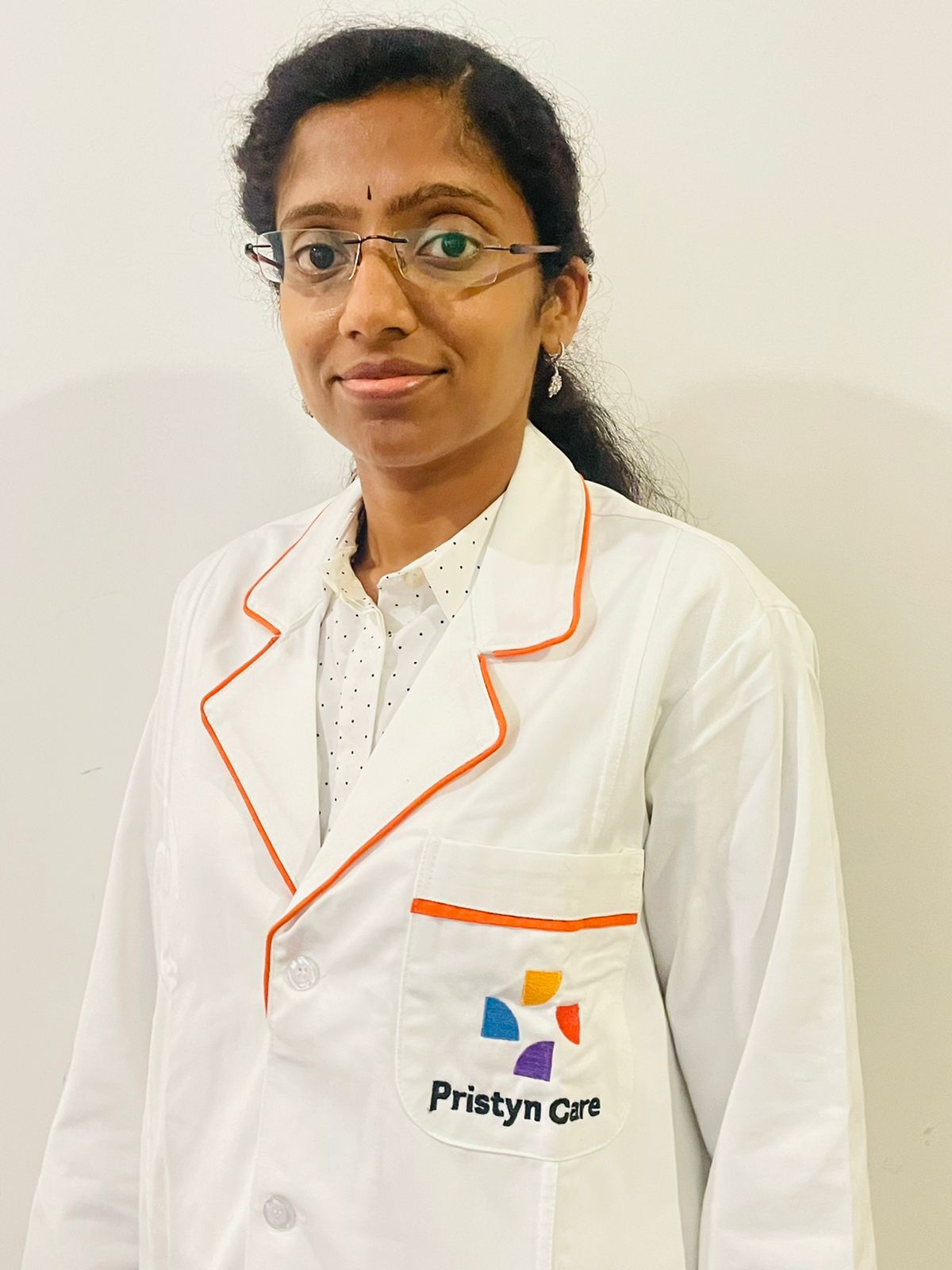
Dr. Vidya H
MBBS, MS-ENT
Free Consultation 15 Years Experience B Block, No 243, Kondapur Main Road, Sri Ramnagar - Block C, Rngareddy, Telangana 500086
Dr. Aslesha Annreddy
MBBS, DNB-ENT
Free Consultation 14 Years Experience Ramgopalpet, Hyderabad, Telangana 500003 MEDICAL INSIGHT
Underlying reasons for sleep disorder development and persistence.
Origins of sleep disorders include stress, anxiety, bad sleep routines, or health issues. Lifestyle and mental health often play roles.
Prolonged stress and inconsistent sleep patterns are primary medical causes of sleep disorders.
 Manage chronic stress
 Address anxiety issues
 Improve sleep habits
 Treat medical conditions
Ready to get the right care?
At-risk individuals?
Sleep disorders may impact anyone, yet specific populations exhibit a greater predisposition.

Elderly individuals face unique sleep challenges.
Aging alters sleep patterns, heightening insomnia and apnea risks.

People under high stress often suffer sleep issues.
Persistent stress and anxiety commonly cause ongoing sleep problems.

Shift work can lead to sleep disruptions.
Unpredictable work schedules disturb the body's natural sleep cycle.

Health conditions can affect sleep quality.
Conditions like obesity and depression increase sleep disorder risks.

The Critical Phase
If symptoms continue, seek medical advice promptly to minimize future health issues.
ALWAYS HOSPITALIZE HIGH-RISK PATIENTS
Health issues
Neglecting sleep disorders may result in severe physical and mental health problems.

Heart disease risk factor
Chronic lack of sleep can elevate the chances of heart disease, hypertension, and stroke.

Psychological health effects
Long-term sleep issues are associated with anxiety, depression, and reduced cognitive abilities.

Diabetes and obesity risks
Inadequate sleep may lead to obesity, diabetes, and hormonal disruptions over time.

 Nearest Clinic
Therapy & Healing
Proven, research-backed methods to regain sound sleep cycles

Therapy Choices
Effective first-line treatments include CBT-I and relaxation methods.

Medication Management
Short-term use of prescribed sleep aids under medical supervision.

Improvement Period
Enhanced sleep quality observed within weeks for most patients.


Advanced In-Patient Care
Specialized in-patient care offers sleep assessments, supervised therapy, and tailored plans for intricate sleep issues.
 CRITICAL ALERT
Avoid self-medication for sleep disorders to prevent symptom exacerbation.
 Avoid Self-Med
 Avoid Alcohol
 Avoid Screens
Consult a professional before any medication.
Urgent intervention needed for severe sleep disorder symptoms.
Prompt medical attention is crucial for severe sleep disorder symptoms.
 Emergency Hotline


Prevention: Your top defense against sleep disorders.
Adopting healthy habits can markedly lower sleep disorder risks.

Consistent sleep routine
Maintain a regular bedtime and wake-up time to stabilize your body's internal clock.

Reduce screen exposure
Refrain from using screens one hour prior to sleeping to enhance melatonin release.

Be mindful of eating
Avoid consuming caffeine, alcohol, and large meals near bedtime to improve sleep quality.

Control stress levels
Engage in relaxation methods such as deep breathing or meditation before going to bed.
What Our Patients Say
Based on 1 Recommendations | Rated 5.0 Out of 5



Your health is our
sole priority.
Need Expert Medical Consultation?
Our network of sleep disorder treatment specialists are available for immediate clinical evaluation and personalized recovery planning.

Frequently Asked Questions
Effective sleep disorder treatment involves therapy, medication, lifestyle adjustments, and advanced methods like CPAP to enhance sleep quality and health.
Sleep apnea treatment often includes CPAP devices, oral appliances, weight management, and sometimes minimally invasive surgeries for sustained relief.
 Call Us
 Book Appointment


