
Select Your City
Popular Cities
Other Cities
No city found
Caesarean Section Delivery Treatment in Jadcherla
Treatment & Care
Expert, safe caesarean section delivery in Jadcherla using modern methods and dedicated, skilled surgeons for optimal maternal and infant care.

 Call Us: 080-6541-7867
Advanced Caesarean Section Delivery Services in Jadcherla
In Jadcherla, a caesarean section (C-section) is a surgical method for delivering a baby via incisions in the abdomen and uterus. This procedure is advised when vaginal birth presents risks to the mother or child. Skilled obstetricians in Jadcherla conduct C-sections employing contemporary, minimally invasive methods for enhanced safety. Thanks to superior surgical care and thorough postoperative assistance, the majority of mothers in Jadcherla experience a smooth recovery and return to regular activities within a few weeks.
Post-Caesarean Section Delivery: Be Aware of Warning Signs
If you experience any symptoms following a C-section, consult a healthcare provider promptly.

Incision site infection post-surgery.
Incision shows redness, swelling, or pus.

Excessive bleeding after procedure.
More than one pad soaked per hour.

Elevated body temperature post-surgery.
Post-surgery temperature exceeds 100.4°F.

Intense abdominal discomfort post-surgery.
Medication-resistant intense abdominal pain.

Post-surgery difficulty in breathing.
Sudden chest pain or shortness of breath.

Swelling in the leg post-surgery.
One or both legs show pain or swelling.


Warning Signs of Severe caesarean section delivery
Seek Emergency Care Immediately if:
Seek Emergency Care Immediately if:
 Uterine tear occurring while in labor. Significant drops in fetal heart rate. Placenta separation causing bleeding. Umbilical cord slipping before baby. Eclampsia leading to severe seizures.
- Uterine tear occurring while in labor.
- Significant drops in fetal heart rate.
- Placenta separation causing bleeding.
- Umbilical cord slipping before baby.
- Eclampsia leading to severe seizures.
Meet Our Best caesarean section delivery Specialists
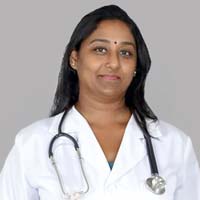
Dr. Raidu Deepthi
MBBS, MS-Obs & Gynae
 Free Consultation
 16 Years Experience
 Pristyn Care ZOI Hospital, Ameerpet, Hyderabad
Dr. R Swetha Sree
MBBS, MS-Obs & Gynae
Free Consultation 15 Years Experience Pristyn Care ZOI Hospital, Ameerpet, Hyderabad
Dr. Surya Devara Geetha Surya Kumari
MBBS, MS-Obs & Gynae
Free Consultation 10 Years Experience Pristyn Care Archana Hospital, Madeenaguda, Hyderabad MEDICAL INSIGHT
Reasons for performing a Caesarean Section Delivery.
Maternal or fetal complications may necessitate a caesarean section when vaginal delivery poses risks.
Placenta previa and fetal distress are primary medical reasons for opting for a caesarean delivery.
 Baby's stress during birth.
 Low placenta position.
 Extended labor duration.
 Carrying twins or more.
Ready to get the right care?
At-Risk Individuals?
Specific health issues and pregnancy factors can elevate the need for a caesarean section.

Fetus in abnormal position for birth
Vaginal birth is often unsafe for breech or transverse fetal positions.

Issues related to the placenta
C-section may be needed if placenta blocks the birth canal.

Past caesarean section deliveries
Higher uterine rupture risk in vaginal birth after prior C-sections.

Labour that is prolonged or halted
Surgical delivery may be needed if labour fails to progress.

The Critical Phase
Close monitoring for bleeding, infection, or clotting is essential in the first 24–48 hours after surgery.
ALWAYS HOSPITALIZE HIGH-RISK PATIENTS
Potential issues
Patients should be informed of the risks associated with a caesarean section, similar to any major surgery.

Post-surgery infection risk.
Antibiotics are often prescribed to lower the risk of wound or uterine infections after the procedure.

Potential blood loss concern.
In some instances, significant bleeding during or after the procedure may necessitate a blood transfusion.

Possible scar tissue formation.
Internal adhesions may form, possibly impacting future pregnancies or abdominal organs.

 Nearest Clinic
Recovery & Treatment
Structured, safe care ensures a smooth journey in caesarean recovery

Surgery in Progress
Conducted with sterile methods under spinal or epidural anesthesia.

Post-Surgery Hospital
Patients typically remain 3–4 days for observation and wound care.

Recovery at Home
Most patients return to light activities 4–6 weeks post-delivery.


Advanced In-Patient Care
Advanced C-section methods employ small incisions, often leading to quicker recovery and less post-surgery pain.
 CRITICAL ALERT
Seek medical advice promptly if you experience fever, excessive bleeding, or wound drainage.
 Avoid heavy lift
 Driving is off-limits
 Avoid Ibuprofen
Consult a professional before any medication.
Urgent Intervention Needed
If you notice any alarming symptoms post C-section, get emergency medical help promptly.
 Emergency Hotline


Avoiding C-section: Prioritize prevention for optimal safety.
Adopting healthy practices and timely prenatal care can lower C-section likelihood.

Consistent Prenatal Checks
Timely detection of issues through routine visits aids early management.

Keep a Healthy BMI
Maintaining a healthy weight pre and during pregnancy aids normal delivery.

Engage in Safe Activity
Doctor-approved exercises enhance strength and may aid fetal positioning.

Plan Birth Discussion Early
Early doctor discussions help set realistic expectations and minimize unexpected C-sections.
What Our Patients Say
Based on 6 Recommendations | Rated 4.8 Out of 5



Your health is our
sole priority.
Need Expert Medical Consultation?
Our network of caesarean section delivery specialists are available for immediate clinical evaluation and personalized recovery planning.

Frequently Asked Questions
A caesarean section involves delivering a baby via incisions in the abdomen and uterus, recommended when vaginal delivery presents risks to the mother or baby.
This procedure is recommended for abnormal fetal position, placenta previa, prolonged labor, fetal distress, or prior uterine surgery to ensure safe delivery.
 Call Us
 Book Appointment


