
Select Your City
Popular Cities
Other Cities
No city found
Lung Disease Treatment Treatment in Jadcherla
Treatment & Care
Effective lung disease treatment in Jadcherla with modern, evidence-based methods for better respiratory health and enhanced life quality.

 Call Us: 080-6541-7867
Effective Lung Disease Treatment in Jadcherla with modern techniques.
In Jadcherla, cutting-edge lung disease treatment is available for conditions such as asthma, COPD, pneumonia, pulmonary fibrosis, and lung infections. Skilled pulmonologists employ state-of-the-art diagnostic equipment and evidence-based treatments to provide efficient, patient-focused care. Utilizing minimally invasive techniques and precise medications, they effectively manage symptoms and enhance respiratory function. With impressive success rates and empathetic support, residents of Jadcherla can obtain superior pulmonary care, leading to better breathing and an enhanced quality of life.
Cautionary Indicators
Identify early symptoms and promptly seek lung disease assessment

Cough that does not go away
Cough that persists beyond three weeks

Difficulty in breathing
Feeling breathless during light activities

Tightness in the chest
Chest pain or pressure sensation

Long-term wheezing condition
Breathing accompanied by a whistling sound

Coughing up blood
Sputum containing blood or rust-coloured mucus

Fatigue without clear cause
Ongoing tiredness due to low oxygen levels


Warning Signs of Severe Lung Disease Treatment
Seek Emergency Care Immediately if:
Seek Emergency Care Immediately if:
 Immediate severe breathlessness requires attention. Urgent medical care needed for coughing blood. Blue lips or nails indicate urgent medical need. Rapid breathing and chest pain need evaluation. Sharp chest pain may signal a collapsed lung.
- Immediate severe breathlessness requires attention.
- Urgent medical care needed for coughing blood.
- Blue lips or nails indicate urgent medical need.
- Rapid breathing and chest pain need evaluation.
- Sharp chest pain may signal a collapsed lung.
Meet Our Best Lung Disease Treatment Specialists
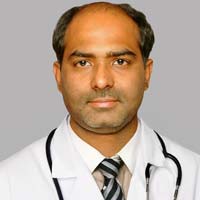
Dr. Gongalareddy Siva Prasad Reddy
MBBS, MD-General Medicine
 Free Consultation
 22 Years Experience
 Maruti Sadan, beside Bharath Petrol bunk, Ramakrishna Nagar, Hafeezpet, Madeenaguda, Hyderabad, Telangana 500049
 MEDICAL INSIGHT
Factors leading to lung disease include smoking, genetics, and pollution.
Infections, environmental factors, genetics, and lifestyle contribute to lung diseases. Smoking is the primary risk factor.
Approximately 85% of lung cancer cases and a higher COPD risk are linked to smoking.
 Tobacco & Smoking
 Pollution in Air
 Factors: Genetics
 Hazards at Work
Ready to get the right care?
At-risk individuals for lung disease: who should be concerned?
Some people have a greater chance of lung disease due to health and lifestyle factors.

Smoking and former smokers at higher risk.
Tobacco use significantly increases COPD, lung cancer, and chronic bronchitis risk.

Exposure in the workplace matters.
Asbestos, dust, or chemical exposure at work raises occupational lung disease risk.

Allergy sufferers face higher risks.
Asthma or allergic individuals are more prone to chronic respiratory issues.

Elderly individuals at higher risk.
Aging decreases lung capacity, increasing elderly vulnerability to serious lung conditions.

The Critical Phase
Prompt diagnosis and early treatment greatly lower the chances of severe complications in most lung disease instances.
ALWAYS HOSPITALIZE HIGH-RISK PATIENTS
Issues
Knowing possible risks aids patients and caregivers in making well-informed choices for lung disease care.

Respiratory failure risk
Severe lung conditions can hinder oxygen exchange, causing acute or chronic respiratory failure needing medical aid.

Pulmonary hypertension
Elevated pressure in lung arteries can stress the heart, increasing the risk of right-sided heart issues over time.

Repeated lung infections
Compromised lung tissue is more prone to bacterial or viral infections, potentially deteriorating pulmonary function.

 Nearest Clinic
Therapy & Healing
Advanced lung disease management using proven, contemporary methods

Therapy for medical needs.
Symptoms are managed using inhalers, bronchodilators, and steroids.

Care through surgery.
Most patients recover faster with minimally invasive methods.

Support through rehab.
Breathing and daily function improve with pulmonary rehabilitation.


Advanced In-Patient Care
Inpatient care offers advanced treatments like high-flow oxygen, ventilators, and round-the-clock specialist oversight.
 CRITICAL ALERT
Get urgent medical attention for intense shortness of breath or chest discomfort.
 Avoid Smoking
 Avoid Cold Air
 Avoid Dust
Consult a professional before any medication.
Urgent intervention needed for sudden lung symptoms.
If you experience abrupt or intense lung issues, get emergency help right away.
 Emergency Hotline


Prevention: Your top defense against lung disease.
Adopting simple lifestyle changes can greatly reduce lung disease risk.

Refrain from smoking
Avoid smoking or quit to safeguard lung health and lower disease risk.

Minimize air pollution
Use masks to reduce exposure to indoor and outdoor pollutants.

Keep vaccinations up-to-date
Receive flu and pneumonia vaccines to prevent lung infections.

Engage in regular exercise
Regular moderate activity enhances lung strength and breathing.


Your health is our
sole priority.
Need Expert Medical Consultation?
Our network of Lung Disease Treatment specialists are available for immediate clinical evaluation and personalized recovery planning.

Frequently Asked Questions
Treatment for lung disease may involve medications, inhalers, oxygen therapy, pulmonary rehabilitation, and minimally invasive procedures based on the specific condition and its severity.
Advanced treatments can effectively manage many lung conditions, enhancing breathing and quality of life. Early diagnosis typically results in better outcomes for most patients.
 Call Us
 Book Appointment


