
Select Your City
Popular Cities
Other Cities
No city found
Ursl Treatment in Medchal
Treatment & Care
Medchal provides effective, minimally invasive URSL treatment for kidney stones, ensuring high success rates and quicker recovery for patients.

 Call Us: 080-6541-7867
Advanced URS Laser Treatment for Stones in Medchal: Effective, Minimally Invasive.
In Medchal, advanced Ureteroscopic Lithotripsy (URSL) is offered for effective treatment of ureteral stones. This minimally invasive procedure uses modern ureteroscopic techniques to precisely break up and remove stones, ensuring high success rates. With no major incisions, the risk of complications is reduced. Most patients can return to their regular activities within a few days post-procedure. If you're experiencing symptoms of ureteral stones, seek consultation from a qualified urologist in Medchal for safe, evidence-based URSL treatment.
Indicators of Need for Laser Surgery on Urinary Stones
Identifying initial symptoms of urinary stones early can lead to prompt and efficient laser-assisted treatment. Most patients recover quickly and resume normal activities.

Intense pain in the side or flank area.
Acute pain felt in the side or back region.

Presence of blood within urine.
Urine appears pink or red-tinged.

Pain experienced during urination.
A burning feeling when urinating.

Increased frequency of urination.
A heightened urge to urinate often.

Feelings of nausea or vomiting.
Stomach discomfort linked to stone pain.

Obstruction in urine flow noted.
Challenges or failure to fully urinate.


Warning Signs of Severe Kidney Stones
Seek Emergency Care Immediately if:
Seek Emergency Care Immediately if:
 Urgent care is needed for severe flank pain. Acute distress arises from a blocked ureter. Fever with a stone may indicate infection risk. Prompt help is required for urinary retention. Immediate review is needed for blood in urine.
- Urgent care is needed for severe flank pain.
- Acute distress arises from a blocked ureter.
- Fever with a stone may indicate infection risk.
- Prompt help is required for urinary retention.
- Immediate review is needed for blood in urine.
Meet Our Best Kidney Stones Specialists
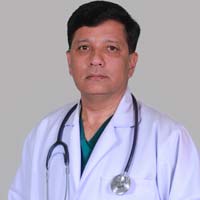
Dr. Naveenchandra Ravindra Acharya
MBBS, MS-General Surgery, M.CH- Urology
 Free Consultation
 29 Years Experience
 Pristyn Care ZOI Hospital, Ameerpet, Hyderabad
Dr. Praveen Kumar Krosuri
MBBS, DNB-General Surgery, DNB-Urology
Free Consultation 15 Years Experience Pristyn Care ZOI Hospital, Ameerpet, Hyderabad
Dr. N Abhilash
MBBS, DNB - General Surgery, FNB - Minimal Access Surgery
Free Consultation 14 Years Experience Pristyn Care Archana Hospital, Madeenaguda, Hyderabad MEDICAL INSIGHT
Underlying reasons for Ursl development and occurrence.
URSL (Ureteroscopic Lithotripsy) is used to address ureteral stones. Primary causes involve dehydration, excessive salt consumption, and metabolic issues that facilitate stone formation in the urinary tract.
Calcium oxalate stones, often due to dietary choices and insufficient fluid intake, are the most prevalent type.
 Insufficient fluid consumption.
 Excessive salt consumption.
 Metabolic health condition.
 Inherited health condition.
Ready to get the right care?
Identifying individuals susceptible to ureteral stone formation.
Recognizing risk factors for ureteral stones aids in early diagnosis and effective management. Advanced, minimally invasive treatments like laser-assisted procedures offer high success rates and faster recovery for most patients.

Persistent lack of hydration in the body.
Low fluid intake leads to concentrated urine, elevating the risk of ureteral stone formation.

Diet high in sodium content.
Consuming too much salt increases urinary calcium, promoting stone formation in susceptible individuals.

Previous occurrence of kidney stones.
Those with a past history of kidney or ureteral stones have a higher chance of recurrence.

Disorders affecting metabolism.
Hyperparathyroidism or gout can change mineral metabolism, increasing the risk of ureteral stones.

The Critical Phase
Immediate medical evaluation is crucial for patients with severe pain, fever, or decreased urine output post-URSL.
ALWAYS HOSPITALIZE HIGH-RISK PATIENTS
Post-procedure issues
Knowing possible URSL risks aids patients in making informed choices and seeking prompt medical care for improved results.

Ureteral trauma
Inadvertent ureteral wall damage can happen, often necessitating stent placement or surgical repair for proper recovery.

Infection possibility
Post-procedure urinary tract infections may arise; immediate antibiotic treatment is advised to avoid severe complications.

Residual stone pieces
After fragmentation, residual stone pieces may remain, sometimes requiring further procedures for complete stone removal.

 Nearest Clinic
URSL: Treatment and Recovery Information
Minimally invasive, effective ureteroscopic stone removal using laser, with most patients resuming routine activities within a few days.

URSL Surgical Method
Laser-assisted ureteroscopy precisely fragments urinary stones.

Aftercare Instructions
Hydrate well and adhere to your urologist's post-op plan.

Duration of Recovery
Most patients return to normal activities within several days.


Advanced In-Patient Care
Enhanced hospital care post-URSL promotes safe healing with proven pain relief and stent management.
 CRITICAL ALERT
Consult doctor for fever, intense pain, or low urine post-URSL.
 Avoid Ibuprofen.
 Keep Hydrated.
 Rest Recommended.
Consult a professional before any medication.
Urgent response needed for optimal health outcomes.
Promptly seek medical care for severe symptoms of URSL. Early treatment enhances recovery prospects.
 Emergency Hotline


Guarding health: Prevention is your top defense strategy.
Adopting early lifestyle changes and heightened awareness effectively lowers ursl risk.

Keep Hydrated
Daily sufficient water intake aids urinary tract flushing and may reduce stone risk.

Eat a Balanced Diet
Reducing salt and oxalate-rich foods enhances urinary health and lowers recurrence risk.

Schedule Regular Check-ups
Frequent urology screenings detect early signs, enabling timely, effective treatment.

Maintain an Active Lifestyle
Consistent physical activity supports healthy weight and improves urinary function.
What Our Patients Say
Based on 3 Recommendations | Rated 5.0 Out of 5



Your health is our
sole priority.
Need Expert Medical Consultation?
Our network of Kidney Stones specialists are available for immediate clinical evaluation and personalized recovery planning.

Frequently Asked Questions
Using a ureteroscope and laser energy, URS (Ureteroscopic Lithotripsy) is a minimally invasive method to effectively remove ureteral stones, achieving high success rates in most cases.
URSL is advised for patients with ureteral stones that don't pass naturally or respond to other treatments, suitable for various stone sizes causing pain, infection, or blockage.
 Call Us
 Book Appointment


