
Select Your City
Popular Cities
Other Cities
No city found
Rhinoplasty Treatment in Moinabad
Treatment & Care
Advanced, safe rhinoplasty in Moinabad reshapes and refines the nose, allowing most patients to return to routine activities quickly.

 Call Us: 080-6541-7867
Advanced Rhinoplasty Services Available in Moinabad for Enhanced Results.
In Moinabad, rhinoplasty provides patients with cutting-edge surgical options to refine and elevate the nose, enhancing both appearance and functionality. This procedure tackles issues like nasal asymmetry, respiratory challenges, and structural anomalies through contemporary, secure methods. Conducted by seasoned surgeons, rhinoplasty in Moinabad adheres to evidence-based practices, ensuring high success rates. Typically, patients return to their regular routines within a few days after the procedure. For those contemplating rhinoplasty, seeking advice from a certified specialist in Moinabad ensures tailored care.
Post-Rhinoplasty Warning Signs to Watch For
Identify early warning signs after rhinoplasty for a safe recovery and prompt medical attention.

Ongoing Swelling
Swelling that worsens after two weeks.

Excessive Hemorrhage
Significant nasal bleeding after the procedure.

Respiratory Difficulty
Sudden nasal obstruction or worsening.

Indications of Infection
Observed redness, warmth, or discharge.

Intense Pain
Pain not managed with prescribed medication.

Skin Colour Changes
Abnormal darkening near the nose.


Warning Signs of Severe Rhinoplasty
Seek Emergency Care Immediately if:
Seek Emergency Care Immediately if:
 Intense nasal bleeding after surgery noted. Critical airway obstruction post nose job. Infection indicators: elevated temp, swelling. Abrupt vision alterations after nasal op. Urgent check needed for breathing issues.
- Intense nasal bleeding after surgery noted.
- Critical airway obstruction post nose job.
- Infection indicators: elevated temp, swelling.
- Abrupt vision alterations after nasal op.
- Urgent check needed for breathing issues.
Meet Our Best Rhinoplasty Specialists
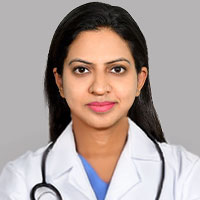
Dr. Jonnalagadda Prashanta Varnika
MBBS, DNB-General Surgery & M.Ch-Plastic Surgery
 Free Consultation
 15 Years Experience
 Pristyn Care Zoi Hospital, ShivBagh, Ameerpet, Hyd
.jpg/1660737456431_ban-Icon.png)
Dr. Y. Gautam Reddy
MBBS, MS-General Surgery, M. Ch- Plastic Surgery
Free Consultation 20 Years Experience 61/8 4th phase, LIG Housing, 1st, Kukatpally Housing Board Colony, Hyderabad, Telangana 500072 MEDICAL INSIGHT
Reasons for undergoing rhinoplasty surgery.
Patients often choose rhinoplasty for nasal structure defects, breathing problems, or cosmetic reasons. Common medical causes include trauma, congenital deformities, and a deviated septum.
Approximately 80% of individuals have a deviated septum, a primary medical reason for rhinoplasty.
 Misaligned nasal septum
 Injury to the nose
 Congenital nasal issue
 Aesthetic nasal issue
Ready to get the right care?
Identifying those at risk for rhinoplasty surgery.
Some people may be optimal candidates or need careful evaluation before rhinoplasty.

Nasal structural abnormalities
Rhinoplasty can help those with congenital nasal issues like a deviated septum.

Nasal trauma or past injuries
Rhinoplasty is common for individuals with nasal fractures from accidents.

Issues with nasal breathing
Functional rhinoplasty can improve airflow for those with chronic nasal obstruction.

Desire for nasal aesthetics
Aesthetic rhinoplasty is sought by adults for nasal size, shape, or asymmetry concerns.

The Critical Phase
Following early post-op care and guidelines is crucial to lower complication risks and promote optimal healing.
ALWAYS HOSPITALIZE HIGH-RISK PATIENTS
Post-surgery issues
Knowing rhinoplasty risks and complications aids informed decisions and safer recovery.

Infection chance
Post-surgical infections are rare but can be managed with prescribed antibiotics and proper wound care.

Nasal breathing changes
Some patients may experience temporary nasal congestion or airflow changes that usually resolve during recovery.

Possible scarring
Minor scarring near incision sites is possible; advanced surgical techniques help minimise visible scarring.

 Nearest Clinic
Nose surgery recovery and treatment details provided here.
Advanced nose reshaping using contemporary methods ensures safe and effective outcomes.

Pre-Surgery Preparation
Cease blood thinners and smoking 2 weeks before procedure.

Surgical Procedure
Conducted under anesthesia via open or closed minimally invasive methods.

Post-Surgery Recovery
Most patients return to light activities within 1–2 weeks post-op.
 CRITICAL ALERT
Adhere to all post-surgery guidelines to promote healing and minimize complication risks.
 Avoid Ibuprofen
 Avoid Smoking
 Avoid Strenuous
Consult a professional before any medication.
Urgent action needed for any severe post-rhinoplasty symptoms.
If severe symptoms arise post-rhinoplasty, seek immediate medical attention to prevent complications.
 Emergency Hotline


Avoid risks: Prioritize prevention for optimal rhinoplasty outcomes.
Effective rhinoplasty risk reduction through meticulous planning and expert advice.

Make an informed choice
Opt for a certified surgeon with a strong rhinoplasty background for enhanced safety.

Cease smoking pre-surgery
Stop smoking prior to surgery to enhance healing and lower complication chances.

Reveal medical past
Provide complete medical history, allergies, and meds to your surgeon in advance.

Observe pre-surgery advice
Follow pre-op instructions to reduce surgical risks and aid in recovery process.
What Our Patients Say
Based on 1 Recommendations | Rated 5.0 Out of 5



Your health is our
sole priority.
Need Expert Medical Consultation?
Our network of Rhinoplasty specialists are available for immediate clinical evaluation and personalized recovery planning.

Frequently Asked Questions
Rhinoplasty, a surgical procedure, aims to reshape or reconstruct the nose for cosmetic or functional purposes, addressing breathing issues, deformities, or enhancing appearance with advanced techniques.
Suitable candidates for rhinoplasty are adults with fully developed nasal structures, in good health, non-smokers, and those with realistic expectations seeking cosmetic or functional improvements.
 Call Us
 Book Appointment


