
Select Your City
Popular Cities
Other Cities
No city found
Stroke Treatment Treatment in Sangareddy
Treatment & Care
Effective, evidence-based stroke treatment in sangareddy for quicker recovery and better neurological results.

 Call Us: 080-6541-7867
Advanced Stroke Treatment in sangareddy: Effective, Safe Solutions.
In sangareddy, stroke is treated as a critical medical emergency needing prompt action to reduce brain damage and enhance recovery. Advanced stroke care is provided using proven methods like thrombolytic therapy, mechanical thrombectomy, and neuro-rehabilitation. Quick diagnosis with CT and MRI scans allows for precise, timely treatment. Skilled neurologists and stroke experts aim to restore function and aid recovery, enabling most patients to regain independence through organized post-stroke rehabilitation programs.
Identifying stroke warning signs is crucial for timely intervention.
Early recognition of stroke symptoms can significantly save lives and minimize long-term disabilities.

Abrupt numbness sensation
Weakness in face, arm, or leg unilaterally

Altered vision perception
Blurred or absent vision in eyes

Challenges with speech
Slurred speech or word comprehension issues

Intense cranial pain
Sudden, severe headache without apparent cause

Impaired balance
Vertigo or unsteady walking

Mental disorientation
Sudden confusion or mental disorientation


Warning Signs of Severe Stroke Treatment
Seek Emergency Care Immediately if:
Seek Emergency Care Immediately if:
 Immediate numbness on one side of the body Sudden speech loss or mental confusion Sudden, severe headache without cause Abrupt vision loss in one or both eyes Sudden loss of balance or coordination
- Immediate numbness on one side of the body
- Sudden speech loss or mental confusion
- Sudden, severe headache without cause
- Abrupt vision loss in one or both eyes
- Sudden loss of balance or coordination
Meet Our Best Stroke Treatment Specialists
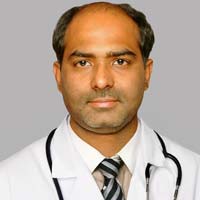
Dr. Gongalareddy Siva Prasad Reddy
MBBS, MD-General Medicine
 Free Consultation
 22 Years Experience
 Maruti Sadan, beside Bharath Petrol bunk, Ramakrishna Nagar, Hafeezpet, Madeenaguda, Hyderabad, Telangana 500049
 MEDICAL INSIGHT
Understanding the origins and causes of stroke.
Strokes happen due to blocked blood flow or burst vessels in the brain. Major risk factors are high blood pressure, diabetes, smoking, and heart conditions.
Elevated blood pressure is a primary cause of stroke, greatly increasing the likelihood of ischemic and hemorrhagic types.
 Elevated Blood Pressure
 Increased Diabetes Risk
 Habit of Smoking
 Cardiac Disease Condition
Ready to get the right care?
Identifying individuals at risk of stroke.
Health conditions and lifestyle choices can greatly increase stroke risk.

Elevated Blood Pressure
Over time, hypertension damages blood vessels, posing a major stroke risk.

Diabetes and Obesity Factors
High blood sugar and excess weight heighten arterial damage risk.

Cardiovascular Conditions
Atrial fibrillation and heart issues can cause blood clots, leading to stroke.

Tobacco and Alcohol Habits
These practices increase plaque buildup, significantly elevating stroke risk.

The Critical Phase
Critical first 24–48 hours post-stroke; close medical monitoring aids early detection and management of life-threatening complications.
ALWAYS HOSPITALIZE HIGH-RISK PATIENTS
Post-stroke issues
Stroke may cause severe short- and long-term complications impacting various body systems and overall life quality.

Cerebral Edema
Increased intracranial pressure from cerebral edema can exacerbate brain damage within days.

Motor Impairment
Stroke often results in partial or total paralysis on one side of the body.

Communication Problems
Post-stroke, patients may face challenges in speaking, understanding, reading, or writing.

 Nearest Clinic
Recovery & Treatment
Effective stroke care emphasizing rapid intervention and efficient recovery

Immediate Medical Care
tPA or thrombectomy helps restore blood circulation effectively.

Rehabilitative Therapy
Therapies like speech, physical, and occupational enhance recovery.

Post-Stroke Recovery
Structured care leads to noticeable improvement in weeks for most.
 CRITICAL ALERT
Optimal treatment results occur when action is taken within 4.5 hours of symptom appearance.
 Avoid Ibuprofen
 Avoid Blood Thinners
 No Delay in Care
Consult a professional before any medication.
Urgent intervention needed for stroke treatment.
A stroke is an urgent medical situation. Immediate emergency care is crucial.
 Emergency Hotline


Guard against stroke: Prevention is your top defense.
Adopting healthy habits and acting early can greatly reduce stroke risk.

Manage Blood Pressure
Regularly monitor and control hypertension through medication and lifestyle changes.

Adopt a Healthy Diet
Consume low-sodium, heart-healthy foods to lower arterial stress and cholesterol.

Maintain Physical Activity
Engage in regular moderate exercise to support healthy blood flow and weight.

Refrain from Smoking
Ceasing smoking significantly lowers blood clot risk and enhances vascular health.


Your health is our
sole priority.
Need Expert Medical Consultation?
Our network of Stroke Treatment specialists are available for immediate clinical evaluation and personalized recovery planning.

Frequently Asked Questions
Depending on the type and severity, stroke treatment aims to restore brain blood flow through medications, mechanical thrombectomy, or surgical intervention.
Immediate treatment of stroke is crucial. Acting within the first hours can greatly enhance outcomes, minimizing brain damage and boosting recovery prospects.
 Call Us
 Book Appointment


