
Select Your City
Popular Cities
Other Cities
No city found
Voice Disorder Treatment Treatment in Shadnagar
Treatment & Care
Effective voice disorder treatment in Shadnagar with modern, evidence-based methods for optimal vocal recovery.

 Call Us: 080-6541-7867
Effective Voice Disorder Solutions in Shadnagar for Better Communication.
In Shadnagar, voice disorders that affect speech clarity, pitch, and vocal strength can be effectively managed by skilled ENT specialists. These experts provide advanced diagnostics and treatments for conditions such as vocal cord nodules, polyps, laryngitis, and spasmodic dysphonia. Available treatments include voice therapy, minimally invasive techniques, and microlaryngoscopy. Early assessment and tailored care often lead to significant vocal improvement for most patients.
Beware of these indicators
If you experience any of these symptoms, seek prompt voice disorder treatment

Prolonged hoarseness in voice
Persists beyond two to three weeks

Complete loss of voice
Abrupt or slow loss of vocal ability

Pain localized in the throat
Ongoing discomfort during speech or song

Alterations in vocal pitch
Unpredictable changes in voice tone

Difficulty in vocalizing smoothly
Exertion or tiredness while conversing

Regular interruptions in voice
Frequent instances of voice cracking


Warning Signs of Severe voice disorder treatment
Seek Emergency Care Immediately if:
Seek Emergency Care Immediately if:
 Abrupt total voice loss needs urgent care. Severe throat swelling and stridor require attention. Voice alteration due to throat injury needs evaluation. Quick voice loss and breathing problems need assessment. Voice loss post neck trauma or blow needs checkup.
- Abrupt total voice loss needs urgent care.
- Severe throat swelling and stridor require attention.
- Voice alteration due to throat injury needs evaluation.
- Quick voice loss and breathing problems need assessment.
- Voice loss post neck trauma or blow needs checkup.
Meet Our Best voice disorder treatment Specialists
.jpg/1674658718382_ban-Icon.png)
Dr. Santosh Kumar Gunapu
MBBS, MS-ENT
 Free Consultation
 16 Years Experience
 Kukatpally Housing Board Colony, Kukatpally, Hyderabad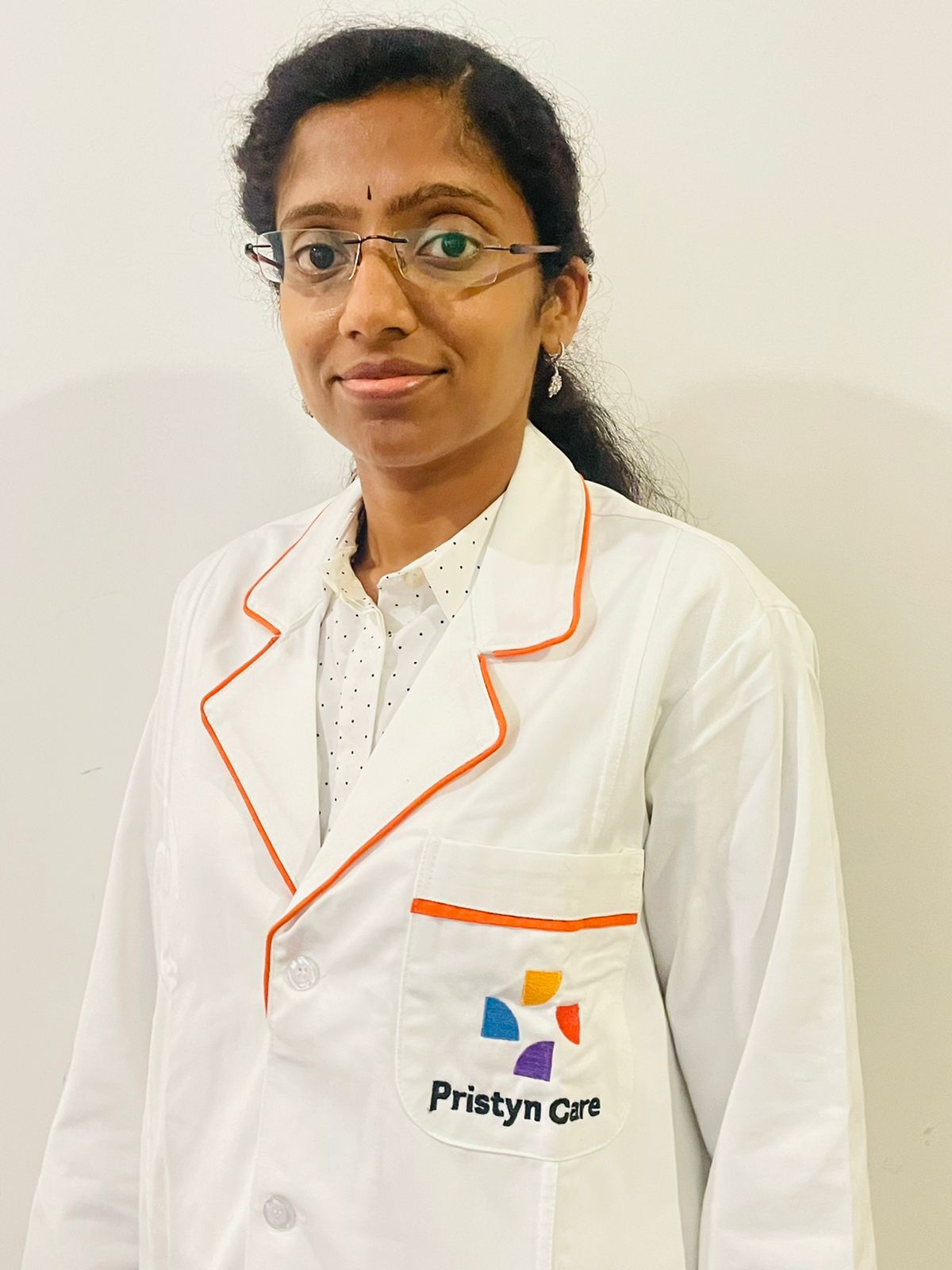
Dr. Vidya H
MBBS, MS-ENT
Free Consultation 15 Years Experience B Block, No 243, Kondapur Main Road, Sri Ramnagar - Block C, Rngareddy, Telangana 500086
Dr. Aslesha Annreddy
MBBS, DNB-ENT
Free Consultation 14 Years Experience Ramgopalpet, Hyderabad, Telangana 500003 MEDICAL INSIGHT
Exploring the origins and causes of voice disorders.
Voice disorders can be triggered by vocal cord strain, infections, neurological issues, or structural anomalies. Common risk factors include acid reflux, smoking, and excessive use.
Chronic misuse leading to vocal nodules is a major cause of persistent hoarseness in adults.
 Vocal cord tension
 Gastroesophageal reflux
 Cessation of smoking
 Neurological impairment
Ready to get the right care?
At-Risk Individuals?
Voice disorders may develop in certain people due to lifestyle, health, or job-related factors.

Experts in vocal performance and usage
Elevated risk for teachers, singers, and speakers from extended vocal use.

Individuals who smoke and drink alcohol
Vocal cord tissues are irritated by tobacco and alcohol, raising disorder risk.

Patients suffering from acid reflux
Persistent hoarseness from chronic GERD-induced larynx inflammation.

History of respiratory conditions
Repeated respiratory infections can harm vocal cords and voice function.

The Critical Phase
Seeking early medical advice is crucial for reducing long-term risks when symptoms worsen.
ALWAYS HOSPITALIZE HIGH-RISK PATIENTS
Possible issues
Knowing potential risks aids informed voice disorder treatment choices.

Vocal cord scarring
Surgery can lead to scar tissue, impacting vocal cord flexibility and voice quality.

Risk of infection
Though rare, post-procedure infections may slow healing, necessitating quick antibiotic treatment.

Altered voice quality
Temporary hoarseness or pitch changes may arise during recovery, often resolved with voice therapy.

 Nearest Clinic
Therapy & Healing
Proven, evidence-based methods to regain your voice and vocal wellness

Therapy for voice issues.
Enhanced vocal technique and reduced strain through structured sessions.

Care through surgery.
Effective nodule treatment via minimally invasive microlaryngoscopy.

Plan for voice recovery.
Routine activities resumed by most patients within days.


Advanced In-Patient Care
Minimally invasive laser vocal cord treatments provide high success rates, reduced tissue damage, and quick recovery.
 CRITICAL ALERT
Refrain from smoking and vocal strain during recovery to aid healing.
 Avoid Smoking
 Avoid Whispering
 Avoid Shouting
Consult a professional before any medication.
Urgent intervention needed for voice disorder treatment.
If voice loss is accompanied by breathing issues or throat swelling, seek emergency medical care.
 Emergency Hotline


Prevention: Optimal Defense Against Voice Disorders
Adopting simple daily habits can safeguard your voice and lower the risk of voice disorders.

Maintain hydration levels.
Daily water intake is crucial for moist and healthy vocal cords.

Minimize vocal strain.
Reduce shouting and lengthy speech to avoid vocal cord stress.

Cease smoking habit.
Larynx irritation and voice disorder risk increase with smoking.

Prepare your voice.
Pre-speaking or singing vocal exercises prevent cord damage.
What Our Patients Say
Based on 1 Recommendations | Rated 5.0 Out of 5



Your health is our
sole priority.
Need Expert Medical Consultation?
Our network of voice disorder treatment specialists are available for immediate clinical evaluation and personalized recovery planning.

Frequently Asked Questions
Treatment for voice disorders targets issues with pitch, tone, or vocal quality. Depending on the diagnosis, options may include voice therapy, medication, or minimally invasive surgeries.
Treatment may be necessary for those experiencing hoarseness, voice loss, pitch changes, or vocal fatigue. A specialist's evaluation determines the most effective treatment plan.
 Call Us
 Book Appointment


