
Select Your City
Popular Cities
Other Cities
No city found
Child Cold Treatment Treatment in Shankarpally
Treatment & Care
Effective, safe child cold treatment in Shankarpally for symptom relief and quicker recovery.

 Call Us: 080-6541-7867
Effective Child Cold Treatment Solutions in Shankarpally
In Shankarpally, child cold treatment emphasizes safe, evidence-based methods to alleviate symptoms such as nasal discharge, slight fever, and congestion in kids. Skilled pediatricians evaluate each child's condition and suggest suitable medications, steam therapy, and supportive care. Contemporary clinics in Shankarpally provide gentle, child-friendly treatment options to facilitate quicker recovery. With appropriate medical advice and prompt care, most children return to their regular activities within a few days.
Caution: Be aware of warning signs in your child.
Monitor your child for these symptoms and consult a doctor immediately.

Elevated body temperature detected
Medical attention needed for high fever

Trouble breathing observed
Noted rapid or strenuous breathing

Cough that persists
Cough continues beyond ten days

Pain in the ear area
Crying or discomfort while pulling ear

Extreme tiredness noted
Uncommon lethargy or lack of energy

Inadequate nutrition intake
Child refuses to eat or drink


Warning Signs of Severe child cold treatment
Seek Emergency Care Immediately if:
Seek Emergency Care Immediately if:
 Trouble breathing or fast breathing in children Child's fever over 104°F needs medical attention No urination signals severe dehydration in kids Ongoing seizures or convulsions require care Blue lips or fingertips need immediate check-up
- Trouble breathing or fast breathing in children
- Child's fever over 104°F needs medical attention
- No urination signals severe dehydration in kids
- Ongoing seizures or convulsions require care
- Blue lips or fingertips need immediate check-up
Meet Our Best child cold treatment Specialists
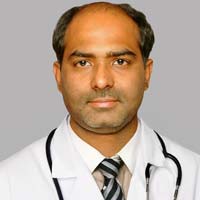
Dr. Gongalareddy Siva Prasad Reddy
MBBS, MD-General Medicine
 Free Consultation
 22 Years Experience
 Maruti Sadan, beside Bharath Petrol bunk, Ramakrishna Nagar, Hafeezpet, Madeenaguda, Hyderabad, Telangana 500049
 MEDICAL INSIGHT
Child cold origins: viral infections, often rhinoviruses.
Viral infections, primarily rhinoviruses, cause child colds. Risk factors include close contact, shared toys, and weakened immunity.
More than 200 types of viruses can cause common colds in children.
 Rhinovirus infection
 Lowered immunity
 Proximity to others
 Exposure to cold
Ready to get the right care?
At-Risk Children?
Some children face higher risks of frequent or severe colds due to health and environmental factors.

Infants & toddlers: vulnerable to colds.
Immature immune systems in children under 2 increase susceptibility to cold viruses.

Daycare attendees: higher cold risk.
Daycare settings increase children's exposure to cold-causing viruses.

Immunocompromised kids: cold risk.
Children with weakened immunity face higher risk of frequent colds.

Cold season exposure: viral risk.
Cold, dry weather or crowded spaces increase children's viral infection risk.

The Critical Phase
Get medical help if your child has high fever, fast breathing, chest pain, or worsening symptoms after 10 days.
ALWAYS HOSPITALIZE HIGH-RISK PATIENTS
Potential issues
Most childhood colds resolve naturally, but some may cause secondary issues needing medical care.

Middle ear infection
Cold viruses can cause middle ear pain, fluid, and temporary hearing issues in kids.

Inflamed sinus condition
Prolonged nasal congestion can result in sinusitis, featuring facial pain and thick discharge.

Lower respiratory infection
In some cases, a cold may lead to bronchitis or pneumonia, causing persistent cough and breathing issues.

 Nearest Clinic
Recovery & Treatment
Comfortable recovery with safe, effective care methods for your child

Rest & hydration
Promote ample rest and warm liquids to support recovery.

Alleviate symptoms
Use suitable medications to reduce fever and congestion.

Duration of recovery
Full recovery at home usually takes 7 to 10 days.


Advanced In-Patient Care
Clinical monitoring and advanced pediatric care ensure safe, effective treatment for severe or prolonged cold symptoms.
 CRITICAL ALERT
Avoid aspirin for children. Seek medical advice before administering any drugs.
 Avoid Aspirin
 Avoid Cold Meds
 Avoid Self-Dosing
Consult a professional before any medication.
Urgent Action Needed for Child's Cold Symptoms
If your child's cold symptoms worsen, seek emergency care promptly.
 Emergency Hotline


Preventing colds: Your child's best defense against illness.
Adopting simple habits can lower your child's cold risk.

Wash hands often.
Children should wash hands with soap for 20 seconds.

Limit close contact.
Avoid sick individuals to reduce virus exposure.

Enhance immune health.
Maintain a balanced diet, sleep, and exercise daily.

Clean common areas.
Frequent cleaning of toys and shared surfaces is vital.


Your health is our
sole priority.
Need Expert Medical Consultation?
Our network of child cold treatment specialists are available for immediate clinical evaluation and personalized recovery planning.

Frequently Asked Questions
Children's colds are typically caused by viral infections, with rhinovirus being the most common. Transmission occurs via air droplets or contact with contaminated surfaces, which makes young children particularly susceptible.
In most cases, children recover from colds within a week to ten days. Symptoms such as a runny nose and mild cough may persist slightly longer but usually resolve without the need for medical treatment.
 Call Us
 Book Appointment


