
Select Your City
Popular Cities
Other Cities
No city found
Dyslipidemia Treatment Treatment in Shankarpally
Treatment & Care
Effective dyslipidemia management in Shankarpally with proven therapies for optimal cholesterol control and sustained cardiovascular wellness.

 Call Us: 080-6541-7867
Effective dyslipidemia management in Shankarpally with modern techniques.
In Shankarpally, dyslipidemia, characterized by irregular cholesterol or triglyceride levels, elevates heart disease and stroke risks. Expert practitioners provide personalized, evidence-based treatments. These include lifestyle changes, dietary advice, and cutting-edge medical interventions to manage cholesterol and promote sustained cardiovascular wellness.
Identifying Dyslipidemia: Key Warning Indicators
Be aware of early symptoms and consult for timely dyslipidemia management

Pain in the chest area
Feeling of pressure or tightness in chest

Fatty skin growths
Fat deposits beneath the skin

Breathing difficulty
Trouble breathing during physical activity

Loss of sensation
Pins and needles in hands or feet

Feeling unsteady
Sudden feeling of lightheadedness

Altered vision
Blurry vision or sudden sight loss


Warning Signs of Severe dyslipidemia treatment
Seek Emergency Care Immediately if:
Seek Emergency Care Immediately if:
 Intense chest pain caused by elevated cholesterol Severe pancreatitis due to high triglyceride levels Abrupt stroke associated with dyslipidemia Cardiac arrest from blocked arteries Urgent care needed for xanthoma rupture
- Intense chest pain caused by elevated cholesterol
- Severe pancreatitis due to high triglyceride levels
- Abrupt stroke associated with dyslipidemia
- Cardiac arrest from blocked arteries
- Urgent care needed for xanthoma rupture
Meet Our Best dyslipidemia treatment Specialists
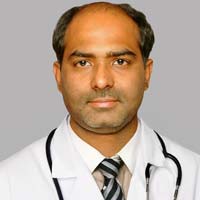
Dr. Gongalareddy Siva Prasad Reddy
MBBS, MD-General Medicine
 Free Consultation
 22 Years Experience
 Maruti Sadan, beside Bharath Petrol bunk, Ramakrishna Nagar, Hafeezpet, Madeenaguda, Hyderabad, Telangana 500049
 MEDICAL INSIGHT
Dyslipidemia origins: diet, inactivity, obesity, genetics, health issues.
Unhealthy diet, lack of exercise, obesity, genetic factors, and conditions such as diabetes or hypothyroidism contribute to dyslipidemia.
A genetic condition known as familial hypercholesterolemia can result in extremely high LDL cholesterol levels.
 Unhealthy Eating Habits
 Inherited Traits Impact
 Lack of Physical Activity
 Weight Issues & Glucose
Ready to get the right care?
At-Risk Populations?
Early screening and treatment may benefit those predisposed to dyslipidemia.

Hereditary factors play a crucial role.
Significantly higher risk for those genetically prone to high cholesterol.

Poor lifestyle choices impact lipid levels.
High saturated fat intake, inactivity, and smoking elevate lipid levels.

Long-term health issues affect lipids.
Diabetes, hypothyroidism, and obesity disrupt lipid metabolism.

Age-related changes increase dyslipidemia risk.
Natural aging alters lipid metabolism, raising dyslipidemia risk.

The Critical Phase
Consistent lipid management and early diagnosis are crucial to lower the risk of severe cardiovascular incidents.
ALWAYS HOSPITALIZE HIGH-RISK PATIENTS
Health issues
Over time, unmanaged dyslipidemia may result in severe cardiovascular and metabolic health issues.

Cardiovascular Disease
High LDL cholesterol speeds up arterial plaque formation, greatly increasing heart attack risk.

Cerebrovascular Accident
Lipid deposits in cerebral arteries can cause blockages, leading to ischemic stroke and brain injury.

Inflammation of Pancreas
Extremely elevated triglycerides can result in acute pancreatitis, causing intense abdominal pain and organ strain.

 Nearest Clinic
Therapy & Healing
Lifestyle changes and medical treatments effectively manage dyslipidemia

Prescribed drugs
Effective cholesterol reduction with statins and fibrates.

Nutrition & habits
Enhanced lipid levels through low-fat diet and exercise.

Regular check-ups
Safe tracking of treatment with routine lipid panel tests.
 CRITICAL ALERT
Unmanaged dyslipidemia increases heart attack and stroke risk. Get prompt treatment.
 No Alcohol Use
 Quit Smoking Now
 Reduce Fat Intake
Consult a professional before any medication.
Urgent intervention needed for dyslipidemia management.
Emergency care may be needed for life-threatening cardiac events due to uncontrolled dyslipidemia.
 Emergency Hotline


Guard against dyslipidemia: Prevention is your top defense.
Adopting healthy habits can markedly reduce dyslipidemia risk.

Adopt Heart-Healthy Diet
Reduce saturated fats; opt for daily fruits, veggies, and whole grains.

Engage in Physical Activity
Strive for 30 minutes of moderate exercise daily to enhance lipid profile.

Refrain from Smoking
Ceasing smoking boosts HDL cholesterol and safeguards cardiovascular health.

Schedule Regular Checkups
Frequent lipid tests aid in early detection of abnormal cholesterol levels.


Your health is our
sole priority.
Need Expert Medical Consultation?
Our network of dyslipidemia treatment specialists are available for immediate clinical evaluation and personalized recovery planning.

Frequently Asked Questions
Effective dyslipidemia treatment includes lifestyle adjustments, dietary changes, and medications to manage cholesterol and triglyceride levels, reducing cardiovascular risk.
Medications like statins, fibrates, niacin, and bile acid sequestrants are often prescribed. The choice depends on the lipid profile and individual health status.
 Call Us
 Book Appointment


