
Select Your City
Popular Cities
Other Cities
No city found
Migraine Treatment Treatment in Medchal
Treatment & Care
Medchal offers expert migraine treatment with advanced, evidence-based methods to lower frequency, severity, and enhance life quality.

 Call Us: 080-6541-7867
Effective migraine relief in Medchal with advanced treatment options.
Migraines, a neurological disorder marked by severe headaches, nausea, and light sensitivity, can disrupt daily activities. In Medchal, skilled neurologists provide cutting-edge, evidence-based migraine treatments customized for each patient. Comprehensive care, from precise diagnosis to individualized medication strategies and lifestyle advice, is delivered using contemporary methods. Prompt treatment can decrease the frequency and intensity of migraine episodes, enhancing overall well-being.
Beware: Early Indicators
Identify these symptoms and promptly seek migraine treatment

Intense headache onset
Immediate medical attention for sudden severe pain

Visual disruptions during episodes
Vision impairment during migraine

Limb or facial numbness
Tingling sensations in extremities

Trouble with speech clarity
Onset of slurred or garbled speech

Queasiness and vomiting
Continuous vomiting accompanying headache

Rising frequency of migraine attacks
Over 15 days of headache per month


Warning Signs of Severe Migraine Treatment
Seek Emergency Care Immediately if:
Seek Emergency Care Immediately if:
 Intense, abrupt 'thunderclap' headache onset Migraine accompanied by vision impairment Headache with elevated fever and neck rigidity Migraine leading to speech difficulties or confusion Headache following a head injury or trauma
- Intense, abrupt 'thunderclap' headache onset
- Migraine accompanied by vision impairment
- Headache with elevated fever and neck rigidity
- Migraine leading to speech difficulties or confusion
- Headache following a head injury or trauma
Meet Our Best Migraine Treatment Specialists
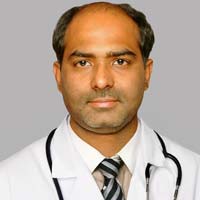
Dr. Gongalareddy Siva Prasad Reddy
MBBS, MD-General Medicine
 Free Consultation
 22 Years Experience
 Maruti Sadan, beside Bharath Petrol bunk, Ramakrishna Nagar, Hafeezpet, Madeenaguda, Hyderabad, Telangana 500049
 MEDICAL INSIGHT
Understanding the origins and triggers of migraine headaches.
Migraine episodes can be initiated by both neurological and environmental elements. Frequent causes include hormonal changes, stress, and sensory triggers.
A significant factor is genetics; individuals with a family history are more susceptible to migraines.
 Hormonal fluctuations
 Stress and anxiety
 Inherited traits
 Disturbed sleep
Ready to get the right care?
At-risk individuals for migraines: who should be cautious?
Recognizing factors that elevate migraine risk aids in timely management and care.

Genetic predisposition from family history.
Increased genetic risk if a parent or sibling has migraines.

Migraine triggers from hormonal changes.
Migraines in women can be linked to menstrual, pregnancy, or menopause hormonal shifts.

Migraines often triggered by stress.
Frequent migraines may be worsened by chronic stress and anxiety.

Migraines linked to sleep disturbances.
Migraine episodes can be triggered by irregular or poor sleep patterns.

The Critical Phase
Immediate medical attention is crucial for sudden, severe migraines with vision or neurological symptoms.
ALWAYS HOSPITALIZE HIGH-RISK PATIENTS
Complications
Neglecting migraines may result in severe health issues over time.

Persistent Migraine
Episodic migraines can escalate to 15+ headache days monthly, impacting daily activities.

Excessive Medication Use
Regular pain reliever intake may lead to rebound headaches, increasing migraine occurrence.

Psychological Health Effect
Chronic migraines raise the risk of anxiety, depression, and sleep issues.

 Nearest Clinic
Therapy & Healing
Advanced migraine management using contemporary methods for quick relief

Immediate migraine relief
Effective relief of active migraines with triptans and NSAIDs.

Long-term migraine prevention
Reduced migraine frequency with beta-blockers and topiramate.

Post-migraine recovery advice
Recover by resting in a dark, quiet room and staying hydrated.
 CRITICAL ALERT
Consult a healthcare provider promptly for sudden, intense migraines or vision loss.
 No Ibuprofen.
 Avoid screens.
 Limit caffeine.
Consult a professional before any medication.
Urgent intervention needed for severe migraine symptoms.
If your migraine is abrupt, intense, or accompanied by concerning signs, seek emergency medical attention.
 Emergency Hotline


Preventive measures offer optimal defense against migraines.
Taking proactive measures can greatly lessen migraine occurrence and intensity.

Monitor Migraine Triggers
Use a migraine diary to effectively identify and avoid personal triggers.

Adopt Regular Sleep
Consistent sleep schedules help prevent migraine episodes effectively.

Maintain Hydration
Drink sufficient water daily to avoid dehydration, a common migraine trigger.

Control Stress Levels
Engage in relaxation techniques like yoga or meditation to lower stress.


Your health is our
sole priority.
Need Expert Medical Consultation?
Our network of Migraine Treatment specialists are available for immediate clinical evaluation and personalized recovery planning.

Frequently Asked Questions
Effective migraine management involves medications, lifestyle adjustments, and therapies aimed at decreasing the frequency and intensity of attacks.
Contemporary migraine treatments are evidence-based and safe, with personalized plans crafted by doctors to enhance life quality and reduce risks.
 Call Us
 Book Appointment


