
- Specialities
- Gynaecology
- Aesthetics
- Ophthalmology
- Urology
- Vascular
- Ent
- Proctology
- Orthopedics
- Laparoscopy
 080-6510-5170
Deep-vein-thrombosis Treatment in Bhongir
Treatment & Care
Get effective Deep-Vein-Thrombosis treatment in Bhongir with advanced, minimally invasive care for faster recovery in most cases.

 Call Us: 080-6510-5170
Deep Vein Thrombosis Treatment in Bhongir
Deep Vein Thrombosis (DVT) occurs when blood clots form in deep veins, commonly in the legs, posing serious health risks. In Bhongir, advanced DVT treatment options are available using safe and modern techniques to manage clot formation effectively.
Treatment includes anticoagulation therapy, compression therapy, and minimally invasive procedures tailored to each patient's condition. Early diagnosis and effective treatment help reduce complications like pulmonary embolism. Most patients resume routine activities within a few days following appropriate care and medical guidance.
Warning Signs of Deep-Vein Thrombosis
Recognize early DVT symptoms for timely diagnosis and effective treatment options.

Leg Swelling
Sudden swelling in one leg or calf.

Pain or Tenderness
Aching or cramping pain in the leg.

Skin Warmth
Warm skin over the affected vein area.

Skin Discoloration
Red or bluish tint on the leg skin.

Visible Veins
Engorged or hardened veins near surface.

Shortness of Breath
Sudden breathlessness may signal clot risk.


Warning Signs of Severe Deep Vein Thrombosis
Seek Emergency Care Immediately if:
Seek Emergency Care Immediately if:
 Sudden chest pain with breathing issues. Coughing blood needs urgent DVT care. Leg swelling with severe pain worsens. Rapid heartbeat signals DVT emergency. Dizziness and fainting require DVT help.
- Sudden chest pain with breathing issues.
- Coughing blood needs urgent DVT care.
- Leg swelling with severe pain worsens.
- Rapid heartbeat signals DVT emergency.
- Dizziness and fainting require DVT help.
Meet Our Best Deep Vein Thrombosis Specialists
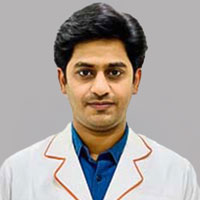
Dr. N Abhilash
MBBS, DNB - General Surgery, FNB - Minimal Access Surgery
 Free Consultation
 14 Years Experience
 Pristyn Care Archana Hospital, Madeenaguda, Hyderabad
.jpeg/1777541472938_ban-Icon.png)
Dr. Salecha Priyank
M-CH- Urology
Free Consultation 17 Years Experience MIG-549, Rd Number 1, Kukatpally Housing Board Colony, Kukatpally, Hyderabad, Telangana 500072
Dr. Mohammed Imran
MBBS, MD-Radio Daignosis
Free Consultation 14 Years Experience First floor, Tuffah Hospital, Podium Mall, beside Tolichowki Flyover, Daulat Gulshan Colony, Janaki Nagar Colony, Toli Chowki, Hyderabad, Telangana 500028 MEDICAL INSIGHT
Causes of Deep-Vein-Thrombosis
Deep-Vein-Thrombosis (DVT) occurs when blood clots form in deep veins, often due to slow blood flow, vein damage, or clotting disorders.
Prolonged immobility is a leading DVT trigger, increasing clot risk significantly.
 Prolonged Immobility
 Blood Clot Disorder
 Vein Wall Damage
 Genetic Factor
Ready to get the right care?
Who Is at Risk?
Certain factors increase your risk of developing deep-vein thrombosis (DVT) and blood clot complications.

Prolonged Immobility
Long bed rest, travel, or sitting for extended periods raises DVT risk significantly.

Surgery & Hospitalization
Post-surgical patients, especially after hip or knee procedures, face elevated clot risk.

Chronic Health Conditions
Heart disease, cancer, and clotting disorders increase deep-vein thrombosis susceptibility.

Lifestyle Risk Factors
Obesity, smoking, and hormonal therapy are common DVT risk factors in adults.

The Critical Phase
Early DVT diagnosis and effective anticoagulation therapy significantly reduce the risk of severe complications and support faster recovery in most cases.
ALWAYS HOSPITALIZE HIGH-RISK PATIENTS
Complications of Deep-Vein Thrombosis
Untreated DVT can lead to serious, life-threatening complications requiring prompt medical attention and effective treatment.

Pulmonary Embolism
A clot may travel to the lungs, blocking blood flow and causing life-threatening pulmonary embolism requiring urgent care.

Post-Thrombotic Syndrome
Chronic leg pain, swelling, and skin changes may develop due to damaged vein valves after DVT, affecting daily life.

Chronic Venous Disease
Persistent venous insufficiency may cause leg ulcers and varicose veins, requiring advanced minimally invasive treatment options.

 Nearest Clinic
Deep-Vein Thrombosis: Treatment & Recovery
Effective DVT treatment options for faster recovery and improved vein health.

Anticoagulants
Blood thinners help prevent clot growth and reduce DVT risk.

Compression Care
Compression stockings aid blood flow and reduce leg swelling.

Thrombolysis
Clot-dissolving therapy targets severe DVT for faster relief.


Advanced In-Patient Care
Advanced minimally invasive DVT procedures offer high success rates. Most patients resume routine activities within a few days post-treatment.
 CRITICAL ALERT
Avoid self-medication during DVT recovery. Consult a vascular specialist immediately.
 NO Ibuprofen
 NO Aspirin
 NO Bed Rest
Consult a professional before any medication.
Immediate Action Required
Seek emergency care instantly if DVT symptoms worsen, as untreated deep-vein thrombosis risks fatal pulmonary embolism.
 Emergency Hotline


Prevention: Your Best Protection
Early steps to prevent deep-vein thrombosis reduce clot risk effectively.

Stay Active Daily
Regular walking improves blood flow and lowers DVT clot formation risk.

Stay Hydrated
Drinking enough water keeps blood fluid and reduces dangerous clotting risk.

Compression Stockings
Wearing compression stockings supports healthy venous blood circulation daily.

Avoid Long Sitting
Take breaks during long travel to prevent blood pooling in leg veins.
What Our Patients Say
Based on 1 Recommendations | Rated 5.0 Out of 5



Your health is our
sole priority.
Need Expert Medical Consultation?
Our network of Deep Vein Thrombosis specialists are available for immediate clinical evaluation and personalized recovery planning.

Frequently Asked Questions
DVT treatment aims to prevent clot growth and embolism. Options include anticoagulants, compression therapy, and minimally invasive procedures for effective clot management and faster recovery.
Anticoagulants like heparin, warfarin, and newer blood thinners are commonly used. These medications prevent clot extension and reduce pulmonary embolism risk with high success rates.
 Call Us
 Book Appointment


