
- Specialities
- Gynaecology
- Aesthetics
- Ophthalmology
- Urology
- Vascular
- Ent
- Proctology
- Orthopedics
- Laparoscopy
 080-6510-5028
Eswl Treatment in Bhongir
Treatment & Care
Advanced ESWL treatment in Bhongir offers a non-invasive solution for kidney stones with high success rates and faster recovery.

 Call Us: 080-6510-5028
ESWL Treatment in Bhongir
ESWL (Extracorporeal Shock Wave Lithotripsy) is a non-invasive, advanced treatment for kidney and urinary stones in Bhongir. Using focused shock waves, it effectively breaks stones into smaller fragments for natural elimination.
This minimally invasive procedure offers high success rates with no surgical incisions. Most patients resume routine activities within a few days. Bhongir now offers access to modern ESWL technology with experienced urological care, making stone treatment safer and more convenient for patients seeking effective, evidence-based urological solutions.
Warning Signs of ESWL Complications
Recognize early warning signs after ESWL treatment for timely medical care.

Severe Pain
Intense flank or abdominal pain post-ESWL.

Blood in Urine
Persistent hematuria beyond a few days.

High Fever
Fever above 101°F may signal infection.

Urinary Blockage
Difficulty or inability to pass urine.

Nausea or Vomiting
Prolonged nausea after the procedure.

Swelling or Bruising
Unusual bruising near the treated area.


Warning Signs of Severe Kidney Stones
Seek Emergency Care Immediately if:
Seek Emergency Care Immediately if:
 Severe pain after ESWL needs urgent care. Heavy bleeding post-ESWL requires attention. High fever after ESWL signals infection risk. Blocked urine flow post-ESWL needs care. Intense nausea after ESWL needs evaluation.
- Severe pain after ESWL needs urgent care.
- Heavy bleeding post-ESWL requires attention.
- High fever after ESWL signals infection risk.
- Blocked urine flow post-ESWL needs care.
- Intense nausea after ESWL needs evaluation.
Meet Our Best Kidney Stones Specialists
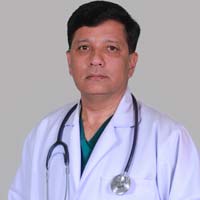
Dr. Naveenchandra Ravindra Acharya
MBBS, MS-General Surgery, M.CH- Urology
 Free Consultation
 29 Years Experience
 Pristyn Care ZOI Hospital, Ameerpet, Hyderabad
Dr. Praveen Kumar Krosuri
MBBS, DNB-General Surgery, DNB-Urology
Free Consultation 15 Years Experience Pristyn Care ZOI Hospital, Ameerpet, Hyderabad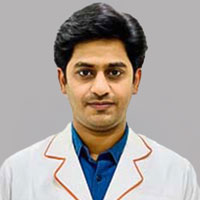
Dr. N Abhilash
MBBS, DNB - General Surgery, FNB - Minimal Access Surgery
Free Consultation 14 Years Experience Pristyn Care Archana Hospital, Madeenaguda, Hyderabad MEDICAL INSIGHT
Causes of Eswl
ESWL treats kidney stones caused by mineral buildup, dehydration, high-sodium diets, and metabolic disorders. Risk factors include obesity, family history, and recurrent urinary tract infections.
Calcium oxalate stones are the most common type, often linked to diet and low fluid intake.
 Dehydration
 High Sodium Diet
 Genetic Factor
 Metabolic Disorder
Ready to get the right care?
Who Is at Risk?
Certain individuals are more likely to need ESWL for kidney stones based on health and lifestyle factors.

Kidney Stone Formers
People with a history of calcium or uric acid kidney stones are prime candidates for ESWL treatment.

Dehydrated Individuals
Those with chronic low fluid intake develop concentrated urine, increasing kidney stone risk requiring ESWL.

High-Protein Diet Users
Individuals consuming excess animal protein or sodium face elevated stone formation risk needing ESWL intervention.

Metabolic Disorder Patients
Those with hyperparathyroidism or gout have higher stone recurrence rates and may benefit from ESWL therapy.

The Critical Phase
Patients with fever, severe pain, or blocked urine flow post-ESWL should seek immediate medical evaluation to prevent serious kidney damage.
ALWAYS HOSPITALIZE HIGH-RISK PATIENTS
Complications of ESWL
Understanding potential risks and side effects of Extracorporeal Shock Wave Lithotripsy for informed treatment decisions.

Hematuria
Blood in urine is common after ESWL and typically resolves within 24–48 hours with adequate hydration.

Stone Fragments
Residual stone fragments may cause ureteral obstruction, requiring additional procedures for complete clearance.

Kidney Bruising
Mild renal contusion or perinephric hematoma may occur, usually managed with rest and close monitoring.

 Nearest Clinic
ESWL Treatment & Recovery
Non-invasive kidney stone removal with faster recovery in most cases.

ESWL Procedure
Shock waves break kidney stones into small fragments for easy passage.

Recovery Timeline
Most patients resume routine activities within a few days post-ESWL.

Follow-Up Care
Regular imaging ensures effective stone clearance after treatment.


Advanced In-Patient Care
Advanced ESWL uses real-time imaging guidance for precise targeting, offering minimally invasive stone treatment with high success rates and minimal downtime.
 CRITICAL ALERT
Avoid NSAIDs post-ESWL. Stay hydrated and follow your urologist's care plan closely.
 NO Ibuprofen
 Stay Hydrated
 Rest Advised
Consult a professional before any medication.
Immediate Action Required
Seek urgent care if ESWL causes severe pain, heavy bleeding, or signs of kidney infection.
 Emergency Hotline


Prevention: Your Best Protection
Reduce kidney stone risk with healthy habits and early ESWL care.

Stay Hydrated
Drink 8–10 glasses of water daily to flush minerals and prevent stone formation.

Limit Salt Intake
Reduce sodium consumption to lower calcium buildup and minimize kidney stone risk.

Balanced Diet
Avoid oxalate-rich foods and maintain a diet low in animal protein for kidney health.

Regular Check-ups
Schedule routine urology screenings to detect stones early and avoid ESWL complications.
What Our Patients Say
Based on 3 Recommendations | Rated 5.0 Out of 5



Your health is our
sole priority.
Need Expert Medical Consultation?
Our network of Kidney Stones specialists are available for immediate clinical evaluation and personalized recovery planning.

Frequently Asked Questions
ESWL, or Extracorporeal Shock Wave Lithotripsy, is a non-invasive kidney stone treatment using shock waves to break stones into small fragments, allowing natural passage through urine effectively.
ESWL suits patients with small to medium kidney or ureteral stones. A urologist evaluates stone size, location, and kidney function before recommending this minimally invasive treatment option.
 Call Us
 Book Appointment


