
- Specialities
- Gynaecology
- Aesthetics
- Ophthalmology
- Urology
- Vascular
- Ent
- Proctology
- Orthopedics
 080-6510-5133
Hydrocele Treatment in Bhongir
Treatment & Care
Effective hydrocele treatment in Bhongir using advanced, minimally invasive techniques with high success rates and faster recovery in most cases.

 Call Us: 080-6510-5133
Hydrocele Treatment in Bhongir
Hydrocele is a condition where fluid accumulates around the testicle, causing scrotal swelling and discomfort. Timely diagnosis and treatment are essential to prevent complications. In Bhongir, patients have access to advanced, minimally invasive hydrocele treatment options with high success rates. Modern surgical techniques, including minimally invasive procedures, ensure effective fluid removal with reduced risk. Most patients resume routine activities within a few days post-procedure. Our patient-centric approach focuses on accurate diagnosis, safe treatment, and smooth recovery for lasting relief.
Warning Signs of Hydrocele
Recognise early hydrocele symptoms for timely diagnosis and effective treatment.

Scrotal Swelling
Painless enlargement of the scrotum.

Heaviness in Scrotum
Dragging sensation in the scrotal area.

Visible Size Change
Scrotum appears larger by end of day.

Mild Discomfort
Dull ache or pressure in the groin.

Fluid-Filled Lump
Smooth, soft lump felt in scrotum.

Redness or Warmth
Skin feels warm or looks reddened.


Warning Signs of Severe Hydrocele
Seek Emergency Care Immediately if:
Seek Emergency Care Immediately if:
 Sudden severe scrotal pain and swelling. Hydrocele with signs of testicular torsion. Rapid size increase causing breathing issues. Infected hydrocele with fever and redness. Trauma-induced hydrocele with acute pain.
- Sudden severe scrotal pain and swelling.
- Hydrocele with signs of testicular torsion.
- Rapid size increase causing breathing issues.
- Infected hydrocele with fever and redness.
- Trauma-induced hydrocele with acute pain.
Meet Our Best Hydrocele Specialists

Dr. N Abhilash
MBBS, DNB - General Surgery, FNB - Minimal Access Surgery
 Free Consultation
 14 Years Experience
 Pristyn Care Archana Hospital, Madeenaguda, Hyderabad
Dr. Abdul Moied Mohammed
MBBS, DNB - General Surgery
Free Consultation 19 Years Experience Banjara Hills, Hyderabad, Telangana 500034
Dr. Mohammed Nooruddin
MBBS, MS-General & Bariatric Surgeon
Free Consultation 13 Years Experience First floor, Plot no 1213, Swamy Ayyappa Society, Mega Hills, Madhapur, Hyderabad, Telangana 500081 MEDICAL INSIGHT
Causes of hydrocele
Hydrocele occurs when fluid accumulates around the testicle. In newborns, it often results from incomplete closure of the processus vaginalis. In adults, causes include infection, injury, or inflammation.
Hydrocele in infants is often congenital, resolving naturally within the first year of life in most cases.
 Congenital Defect
 Scrotal Injury
 Epididymitis
 Lymphatic Block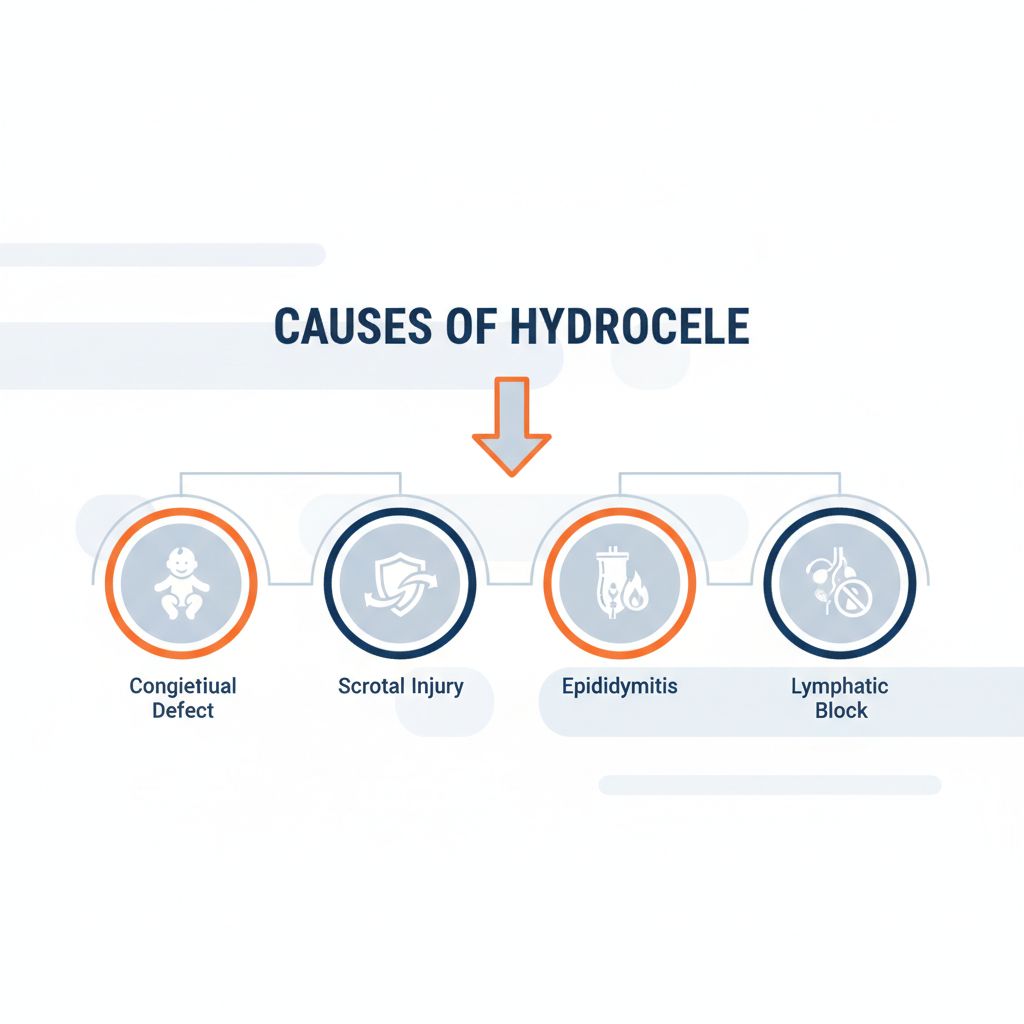
Ready to get the right care?
Who Is at Risk for Hydrocele?
Hydrocele can affect males of all ages, but certain groups face a higher risk due to specific health and lifestyle factors.

Newborns & Infants
Premature babies and newborns commonly develop hydrocele as the processus vaginalis may not close fully at birth.

Older Adult Males
Men over 40 are at increased risk due to scrotal injury, infection, or inflammation affecting fluid balance.

Infection or Injury
Scrotal trauma, epididymitis, or parasitic infections like filariasis can trigger secondary hydrocele in males.

Post-Surgery Patients
Men who have undergone inguinal hernia repair or scrotal procedures may develop hydrocele as a complication.

The Critical Phase
Timely treatment using safe, minimally invasive techniques helps prevent complications and supports faster recovery in most patients.
ALWAYS HOSPITALIZE HIGH-RISK PATIENTS
Complications
Untreated hydrocele may lead to discomfort, infection, or fertility concerns. Early diagnosis helps reduce the risk of serious complications.

Infection Risk
Secondary infection may cause pain and swelling, requiring prompt medical attention and antibiotic treatment.

Fertility Impact
Chronic hydrocele may affect testicular function, potentially influencing sperm health and male fertility over time.

Hernia Formation
A communicating hydrocele may be associated with inguinal hernia, needing surgical evaluation for effective management.

 Nearest Clinic
Hydrocele Treatment & Recovery
Effective surgical and non-surgical options for hydrocele with faster recovery.

Surgical Care
Hydrocelectomy offers high success rates with minimally invasive techniques.

Recovery Tips
Most patients resume routine activities within a few days post-surgery.

Follow-Up Care
Regular check-ups help monitor healing and prevent recurrence effectively.


Advanced In-Patient Care
Advanced hydrocele repair uses safe, modern surgical methods ensuring effective treatment and faster recovery in most cases.
 CRITICAL ALERT
Avoid strenuous activity and follow your surgeon's post-op instructions carefully.
 No Heavy Lift
 No Hot Baths
 No Skipping Meds
Consult a professional before any medication.
Immediate Action Required
Seek urgent care if hydrocele symptoms worsen suddenly, as prompt evaluation helps prevent serious complications.
 Emergency Hotline


Prevention: Your Best Protection
Reducing hydrocele risk involves proper scrotal care and timely medical attention.

Protect Groin Area
Wear protective gear during sports to reduce scrotal injury and inflammation risk.

Treat Infections Early
Prompt treatment of epididymitis or orchitis may help prevent secondary hydrocele.

Regular Check-ups
Routine scrotal exams help detect fluid buildup early for timely medical care.

Hygiene Practices
Maintaining genital hygiene lowers infection risk that may contribute to hydrocele.
What Our Patients Say
Based on 2 Recommendations | Rated 4.0 Out of 5



Your health is our
sole priority.
Need Expert Medical Consultation?
Our network of Hydrocele specialists are available for immediate clinical evaluation and personalized recovery planning.

Frequently Asked Questions
A hydrocele is a fluid-filled sac around the testicle causing scrotal swelling. Common symptoms include painless swelling, heaviness, and discomfort. Early diagnosis helps in effective treatment planning.
Hydrocele is diagnosed through physical examination, transillumination, and scrotal ultrasound. These tests confirm fluid accumulation and rule out other conditions like hernia or testicular tumors accurately.
 Call Us
 Book Appointment


