
- Specialities
- Gynaecology
- Aesthetics
- Ophthalmology
- Urology
- Vascular
- Ent
- Proctology
- Orthopedics
- Laparoscopy
 080-6542-3724
Diabetic-retinopathy Treatment in Bhongir
Treatment & Care
Expert diabetic retinopathy treatment in Bhongir using advanced laser therapy for effective vision care and eye health management.

 Call Us: 080-6542-3724
Diabetic Retinopathy Treatment in Bhongir
Diabetic retinopathy is a serious eye condition caused by prolonged high blood sugar damaging retinal blood vessels. Early diagnosis and effective treatment are essential to preserve vision and prevent progression.
In Bhongir, advanced diabetic retinopathy treatment options include laser photocoagulation, anti-VEGF injections, and vitrectomy using modern, minimally invasive techniques. These approaches offer high success rates in managing retinal damage effectively.
Most patients resume routine activities within a few days post-treatment. Timely intervention with safe and modern techniques helps protect long-term eye health significantly.
Warning Signs of Diabetic Retinopathy
Recognize early symptoms of diabetic retinopathy to seek timely eye care and protect your vision.

Blurred Vision
Gradual blurring of central vision.

Floaters
Dark spots or strings in your vision.

Vision Loss
Sudden or partial loss of eyesight.

Color Changes
Faded or washed-out color perception.

Dark Areas
Empty or dark patches in visual field.

Night Blindness
Difficulty seeing clearly in low light.


Warning Signs of Severe diabetic-retinopathy
Seek Emergency Care Immediately if:
Seek Emergency Care Immediately if:
 Sudden vision loss needs urgent eye care. Retinal detachment requires immediate surgery. Vitreous hemorrhage needs prompt treatment. Severe macular edema demands urgent care. Neovascular glaucoma needs emergency help.
- Sudden vision loss needs urgent eye care.
- Retinal detachment requires immediate surgery.
- Vitreous hemorrhage needs prompt treatment.
- Severe macular edema demands urgent care.
- Neovascular glaucoma needs emergency help.
 MEDICAL INSIGHT
Causes of diabetic-retinopathy
Diabetic retinopathy is caused by prolonged high blood sugar damaging retinal blood vessels. Key risk factors include uncontrolled diabetes, hypertension, and high cholesterol.
Chronic hyperglycemia weakens retinal capillaries, causing leakage and vision loss over time.
 High Blood Sugar
 Hypertension
 High Cholesterol
 Long-term Diabetes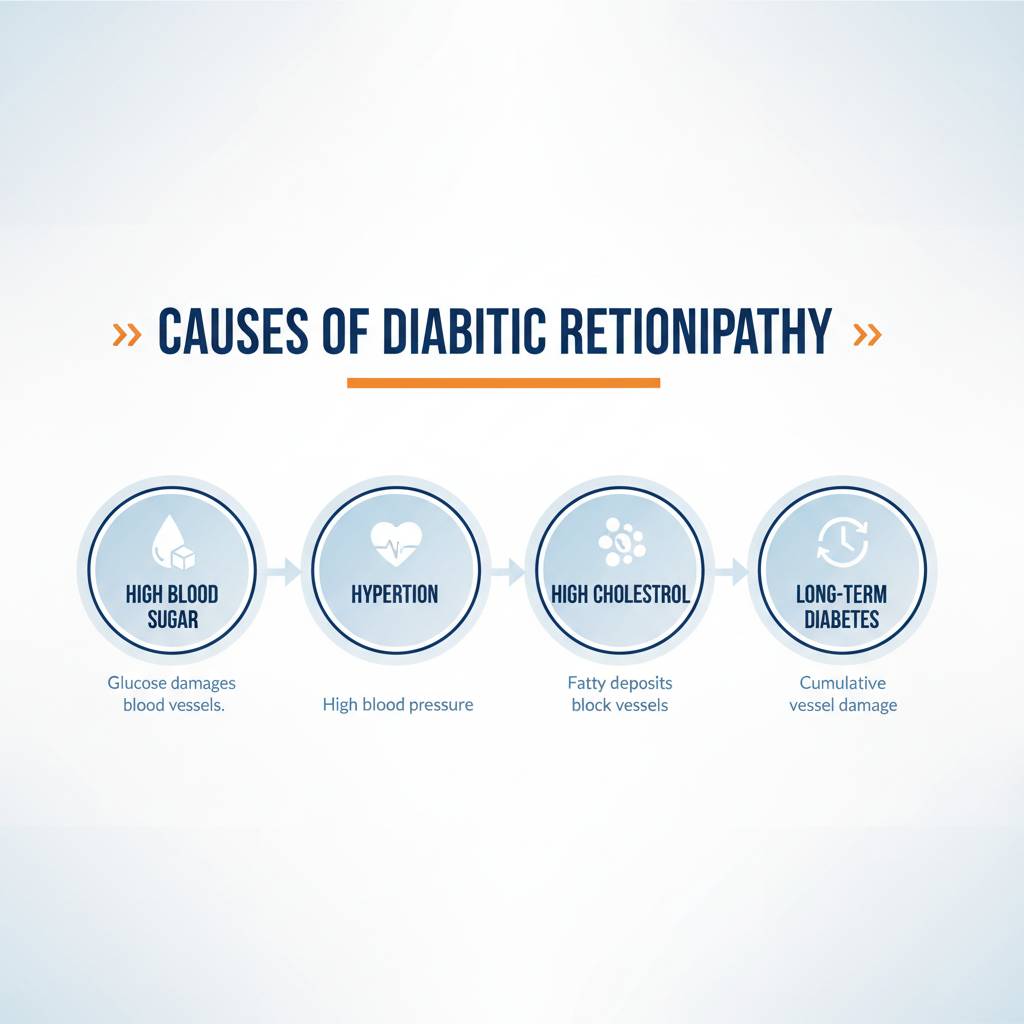
Ready to get the right care?
Who Is at Risk?
Understand key diabetic retinopathy risk factors to protect your vision and eye health effectively.

Long-Term Diabetics
People with type 1 or type 2 diabetes for over 10 years face higher risk of retinal damage.

Poor Blood Sugar Control
Uncontrolled blood glucose levels significantly increase risk of diabetic eye disease progression.

High Blood Pressure
Hypertension combined with diabetes accelerates retinal vessel damage, raising vision loss risk.

Pregnant Diabetic Women
Gestational changes may worsen diabetic retinopathy, requiring close monitoring during pregnancy.

The Critical Phase
Early detection and advanced laser-assisted treatment options can help manage complications effectively, preserving vision in most patients.
ALWAYS HOSPITALIZE HIGH-RISK PATIENTS
Complications of Diabetic Retinopathy
Unmanaged diabetic retinopathy can lead to severe eye complications, including vision loss and permanent retinal damage.

Vision Loss
Progressive retinal damage from diabetic retinopathy can cause partial or complete vision loss if left untreated.

Retinal Detachment
Abnormal blood vessels may cause scar tissue, leading to retinal detachment and serious visual impairment.

Glaucoma Risk
New vessel growth blocks fluid drainage, raising eye pressure and increasing the risk of diabetic glaucoma.

 Nearest Clinic
Treatment & Recovery for Diabetic Retinopathy
Effective, advanced treatment options to manage diabetic retinopathy and protect vision.

Laser Therapy
Laser photocoagulation helps seal leaking vessels effectively.

Anti-VEGF Shots
Injections reduce swelling and slow abnormal vessel growth.

Vitrectomy Surgery
Minimally invasive surgery removes vitreous blood safely.


Advanced In-Patient Care
Advanced in-patient care includes continuous glucose monitoring, retinal imaging, and specialist-led post-operative support for faster recovery.
 CRITICAL ALERT
Uncontrolled blood sugar worsens retinopathy. Seek immediate care if vision changes occur.
 NO Smoking
 NO Sugar Spikes
 NO Missed Doses
Consult a professional before any medication.
Immediate Action Required
Seek urgent eye care if you notice sudden vision changes due to diabetic retinopathy.
 Emergency Hotline


Prevention: Your Best Protection
Early action and healthy habits can reduce diabetic retinopathy risk effectively.

Control Blood Sugar
Maintain stable glucose levels to protect retinal blood vessels from damage.

Monitor Blood Pressure
Keep blood pressure in check to lower risk of retinal complications.

Regular Eye Exams
Schedule annual dilated eye screenings for early detection and timely care.

Healthy Lifestyle
Exercise regularly and follow a balanced diet to support overall eye health.
What Our Patients Say
Based on 2 Recommendations | Rated 4.5 Out of 5



Your health is our
sole priority.
Need Expert Medical Consultation?
Our network of diabetic-retinopathy specialists are available for immediate clinical evaluation and personalized recovery planning.

Frequently Asked Questions
Diabetic retinopathy treatment includes laser therapy, anti-VEGF injections, and vitrectomy. These advanced options help manage retinal damage effectively, preserving vision in most patients.
Laser-assisted treatment is a proven, minimally invasive approach for diabetic retinopathy. It helps seal leaking blood vessels and slows progression, with high success rates in most cases.
 Call Us
 Book Appointment


