
- Specialities
- Gynaecology
- Aesthetics
- Ophthalmology
- Urology
- Vascular
- Ent
- Proctology
- Orthopedics
- Laparoscopy
 080-6541-7867
Thyroidectomy Treatment in Bhongir
Treatment & Care
Expert thyroidectomy in Bhongir using advanced surgical techniques, offering effective thyroid removal with high success rates and faster recovery in most cases.

 Call Us: 080-6541-7867
Thyroidectomy Treatment in Bhongir
Thyroidectomy is a surgical procedure involving the partial or complete removal of the thyroid gland, commonly recommended for thyroid cancer, goiter, or hyperthyroidism. In Bhongir, patients have access to advanced thyroidectomy procedures performed using modern, minimally invasive techniques that aim for effective outcomes and reduced recovery time.
The procedure is carried out by experienced surgical teams following thorough diagnostic evaluation. Most patients resume routine activities within a few days post-surgery. If you are seeking reliable thyroid treatment in Bhongir, consult a qualified specialist for personalised care.
Warning Signs After Thyroidectomy
Recognize early warning signs after thyroidectomy for timely medical care and safer recovery.

Neck Swelling
Rapid swelling may signal bleeding.

Muscle Cramps
Cramping may indicate low calcium.

Breathing Difficulty
Seek care for sudden breathlessness.

Voice Changes
Hoarseness may suggest nerve impact.

Tingling Sensation
Numbness may reflect parathyroid change.

High Fever
Fever may indicate wound infection.


Warning Signs of Severe Thyroidectomy
Seek Emergency Care Immediately if:
Seek Emergency Care Immediately if:
 Acute airway obstruction post-thyroidectomy. Severe hypocalcemia causing muscle spasms. Uncontrolled bleeding at the surgical site. Thyroid storm with rapid heart rate onset. Recurrent laryngeal nerve injury with stridor.
- Acute airway obstruction post-thyroidectomy.
- Severe hypocalcemia causing muscle spasms.
- Uncontrolled bleeding at the surgical site.
- Thyroid storm with rapid heart rate onset.
- Recurrent laryngeal nerve injury with stridor.
Meet Our Best Thyroidectomy Specialists
.jpg/1674658718382_ban-Icon.png)
Dr. Santosh Kumar Gunapu
MBBS, MS-ENT
 Free Consultation
 16 Years Experience
 Kukatpally Housing Board Colony, Kukatpally, Hyderabad
Dr. Vidya H
MBBS, MS-ENT
Free Consultation 15 Years Experience B Block, No 243, Kondapur Main Road, Sri Ramnagar - Block C, Rngareddy, Telangana 500086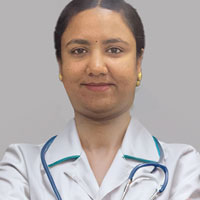
Dr. Aslesha Annreddy
MBBS, DNB-ENT
Free Consultation 14 Years Experience Ramgopalpet, Hyderabad, Telangana 500003 MEDICAL INSIGHT
Causes of Thyroidectomy
Thyroidectomy is often recommended due to thyroid cancer, large goiters, hyperthyroidism, or suspicious nodules. Autoimmune conditions like Graves' disease may also require surgical intervention for effective management.
Thyroid cancer and uncontrolled hyperthyroidism are among the leading medical indications for thyroidectomy.
 Thyroid Cancer
 Graves' Disease
 Thyroid Nodules
 Large Goiter
Ready to get the right care?
Who Is at Risk for Thyroidectomy?
Certain conditions may require thyroid surgery; understanding risk factors helps in early diagnosis and timely treatment.

Thyroid Cancer Patients
Individuals diagnosed with thyroid cancer often require thyroidectomy as a primary treatment option.

Goiter Sufferers
People with enlarged thyroid glands causing breathing or swallowing difficulties may need surgical removal.

Hyperthyroidism Cases
Those with overactive thyroid unresponsive to medication may be advised thyroidectomy for effective management.

Thyroid Nodule Patients
Patients with suspicious or large thyroid nodules may require surgery to rule out or treat malignancy.

The Critical Phase
The first 24–48 hours post-thyroidectomy are critical; close monitoring helps detect early complications and ensures patient safety.
ALWAYS HOSPITALIZE HIGH-RISK PATIENTS
Complications
Understanding potential risks after thyroidectomy helps patients make informed decisions and seek timely medical care.

Hypocalcemia
Low calcium levels may occur if parathyroid glands are affected, causing tingling or muscle cramps requiring treatment.

Nerve Injury
Recurrent laryngeal nerve damage may cause hoarseness or voice changes; most cases resolve with appropriate care.

Bleeding & Infection
Post-surgical bleeding or wound infection is uncommon but requires prompt medical attention for safe recovery.

 Nearest Clinic
Thyroidectomy Treatment & Recovery
Expert surgical care with advanced techniques for effective thyroid removal.

Surgery Type
Minimally invasive or open thyroidectomy based on condition.

Hospital Stay
Most patients are discharged within 1–2 days post-surgery.

Recovery Time
Most patients resume routine activities within a few days.
 CRITICAL ALERT
Avoid strenuous activity and monitor for signs of infection or swelling post-surgery.
 NO Ibuprofen
 Avoid Lifting
 Rest Advised
Consult a professional before any medication.
Immediate Action Required
Seek urgent care after thyroidectomy if you notice severe symptoms that may indicate serious post-surgical complications.
 Emergency Hotline


Prevention: Your Best Protection
Early detection and regular thyroid monitoring may help reduce the need for thyroidectomy.

Regular Checkups
Routine thyroid screenings help detect nodules or abnormalities early for timely care.

Healthy Diet
Adequate iodine intake supports thyroid health and may lower risk of thyroid disorders.

Avoid Radiation
Limiting unnecessary neck radiation exposure may help reduce thyroid cancer risk over time.

Know Family History
Genetic counseling is advised if thyroid cancer runs in your family for early screening.
What Our Patients Say
Based on 1 Recommendations | Rated 5.0 Out of 5



Your health is our
sole priority.
Need Expert Medical Consultation?
Our network of Thyroidectomy specialists are available for immediate clinical evaluation and personalized recovery planning.

Frequently Asked Questions
Thyroidectomy is a surgical procedure to remove part or all of the thyroid gland. It is commonly performed to treat thyroid cancer, goiter, hyperthyroidism, or suspicious thyroid nodules effectively.
Patients with thyroid cancer, large goiters, overactive thyroid, or nodules causing breathing issues may need thyroidectomy. Your surgeon recommends it after thorough evaluation and diagnostic testing.
 Call Us
 Book Appointment


